Día de Muertos in Oaxaca
Oaxaca Day of the Dead, Day of the Dead in Mexico, Oaxaca traditions, Teotitlán del Valle, Oaxaca cultural celebrations
Día de Muertos in Oaxaca: 30 Years of Memories, Magic and Change
From an unexpected awakening in a Zapotec village to one of Mexico's biggest cultural celebrations, a personal reflection on three decades of Día de Muertos in Oaxaca.
How can you not fall in love with Día de Muertos in Oaxaca?
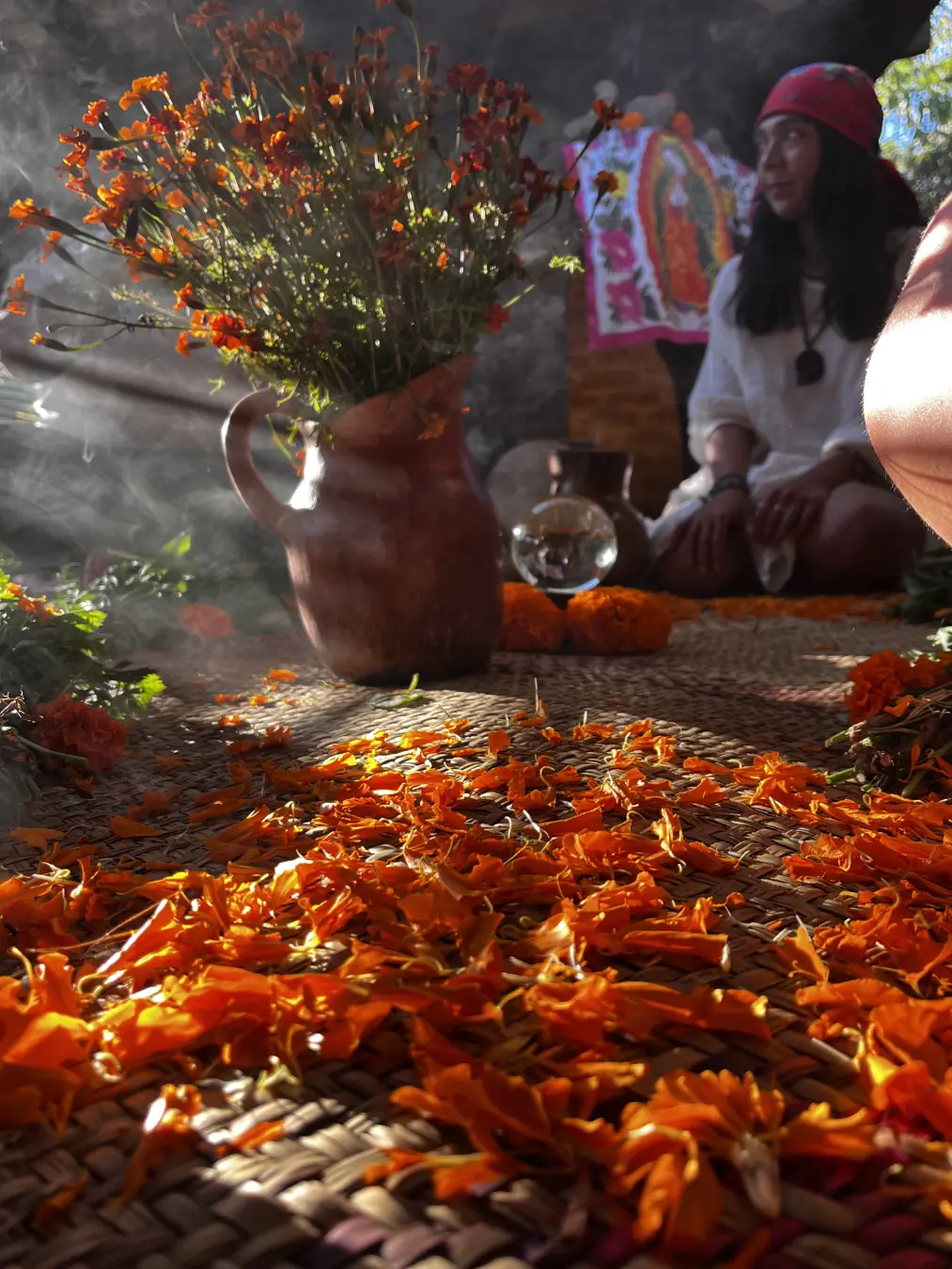
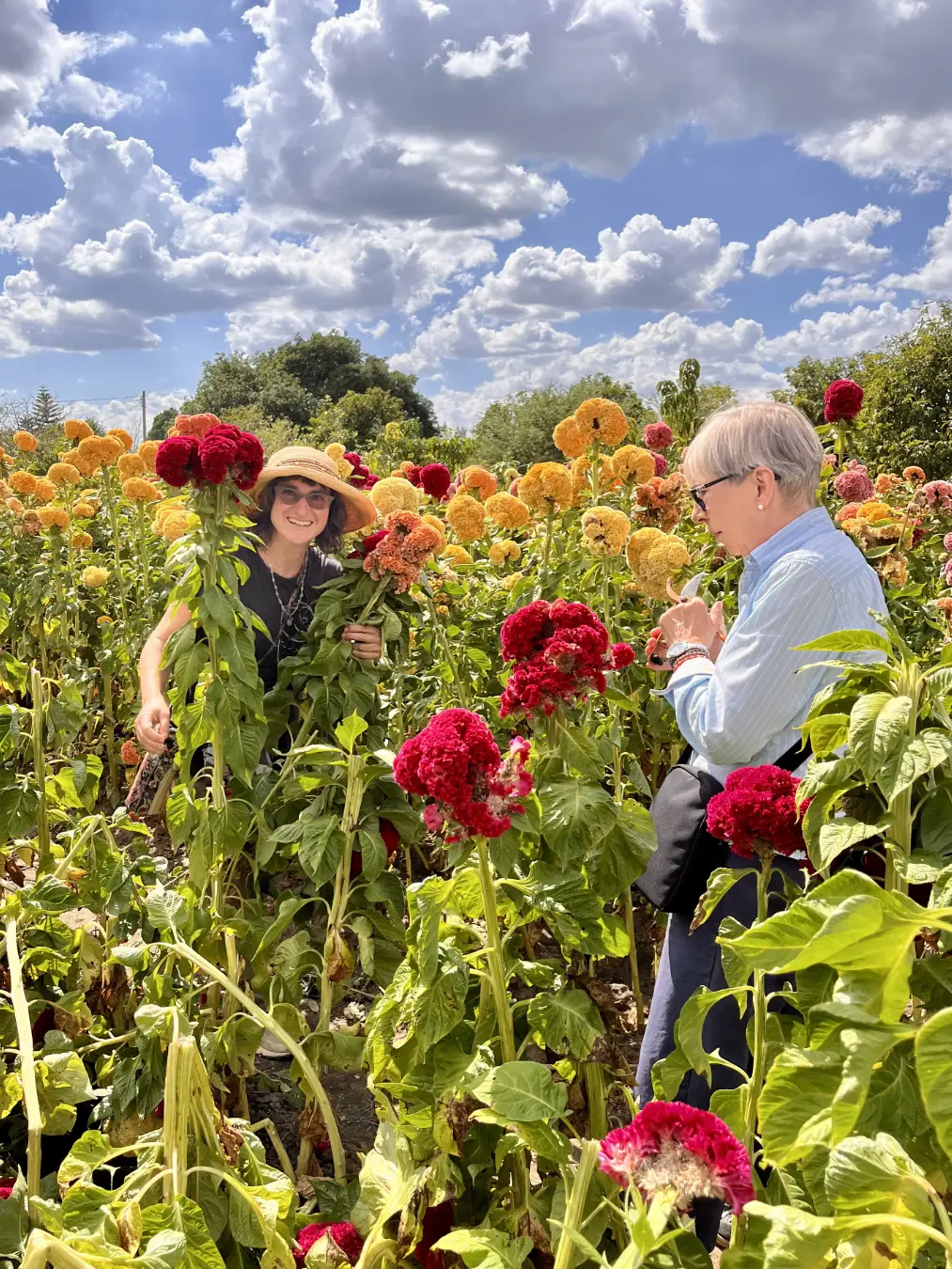
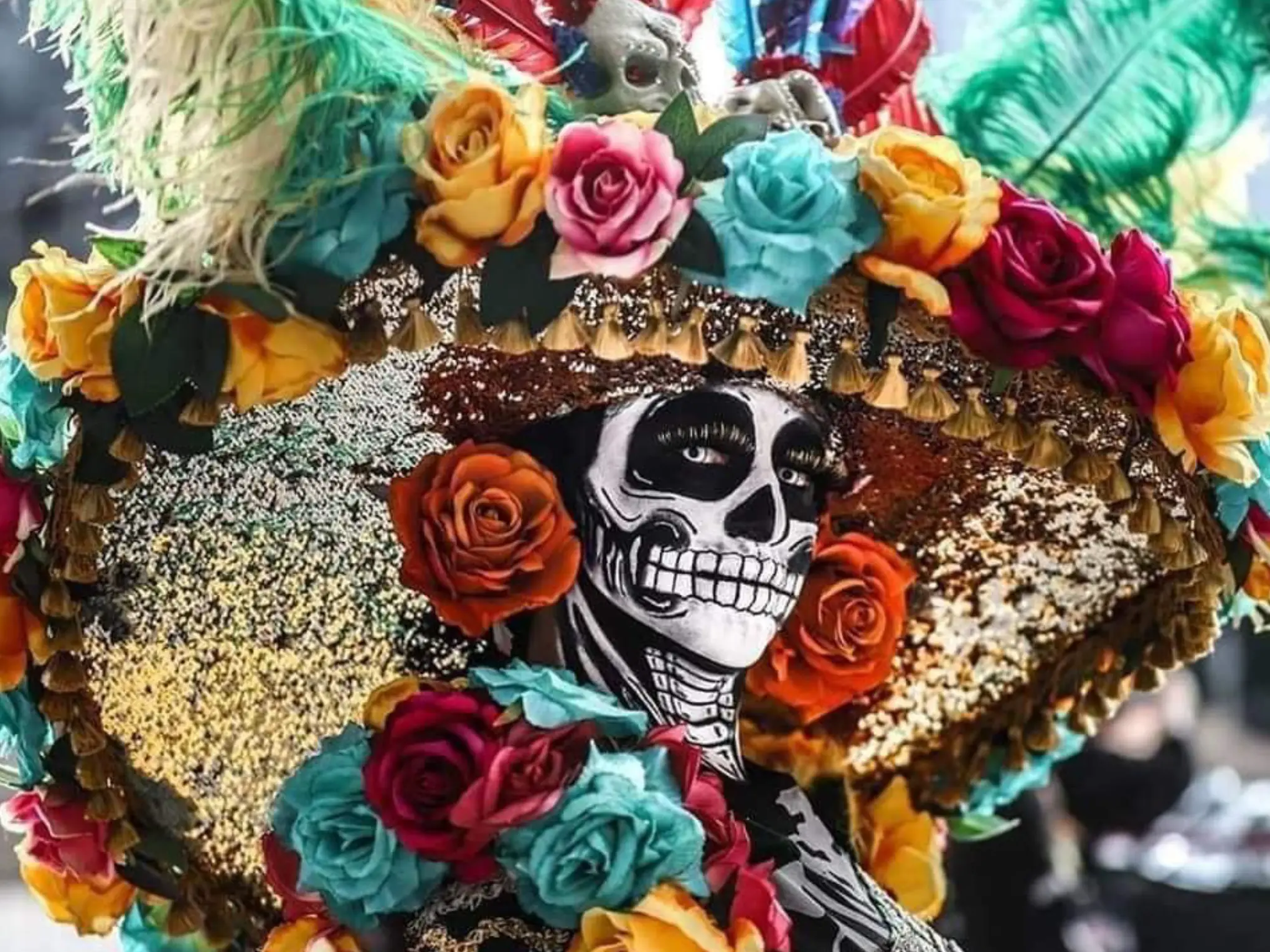
The colors, the scent of marigolds, the smoke of copal, the chocolate, the flowers, the music… There is something truly magical about this time of year. A time when the boundaries between the living and the dead seem to become a little thinner, when families prepare to welcome their ancestors home, and when remembrance becomes a celebration of life itself.
Having lived in Oaxaca for more than 30 years, we have experienced Día de Muertos in many different ways. We have watched this traditional Mexican celebration change, grow, and transform. And sometimes, we find ourselves wondering how much of its original spirit gets lost along the way.
But to understand how far things have come, I always think back to our very first Día de Muertos, some 30 years ago.
Our First Día de Muertos in Oaxaca: An Unexpected Night in Teotitlán del Valle
Our first experience was in Teotitlán del Valle, a beautiful Zapotec village in the Oaxaca Valley, famous for its traditional weaving and textile heritage. One of the local weaving families had invited us to share a meal with them.
We were still very new to Oaxaca, discovering a completely different world, its people, customs, and ways of celebrating life.
And, well, let's just say we had a rather enthusiastic introduction to the festivities!
There was quite a lot of mezcal involved that evening, and eventually we decided it was time to go to bed. We were exhausted and had no idea what was waiting for us.
At four o'clock in the morning, our neighbors came knocking on our door and woke us up. We had absolutely no idea what was going on. Still half asleep, we followed them outside.
And there it was: the comparsa!
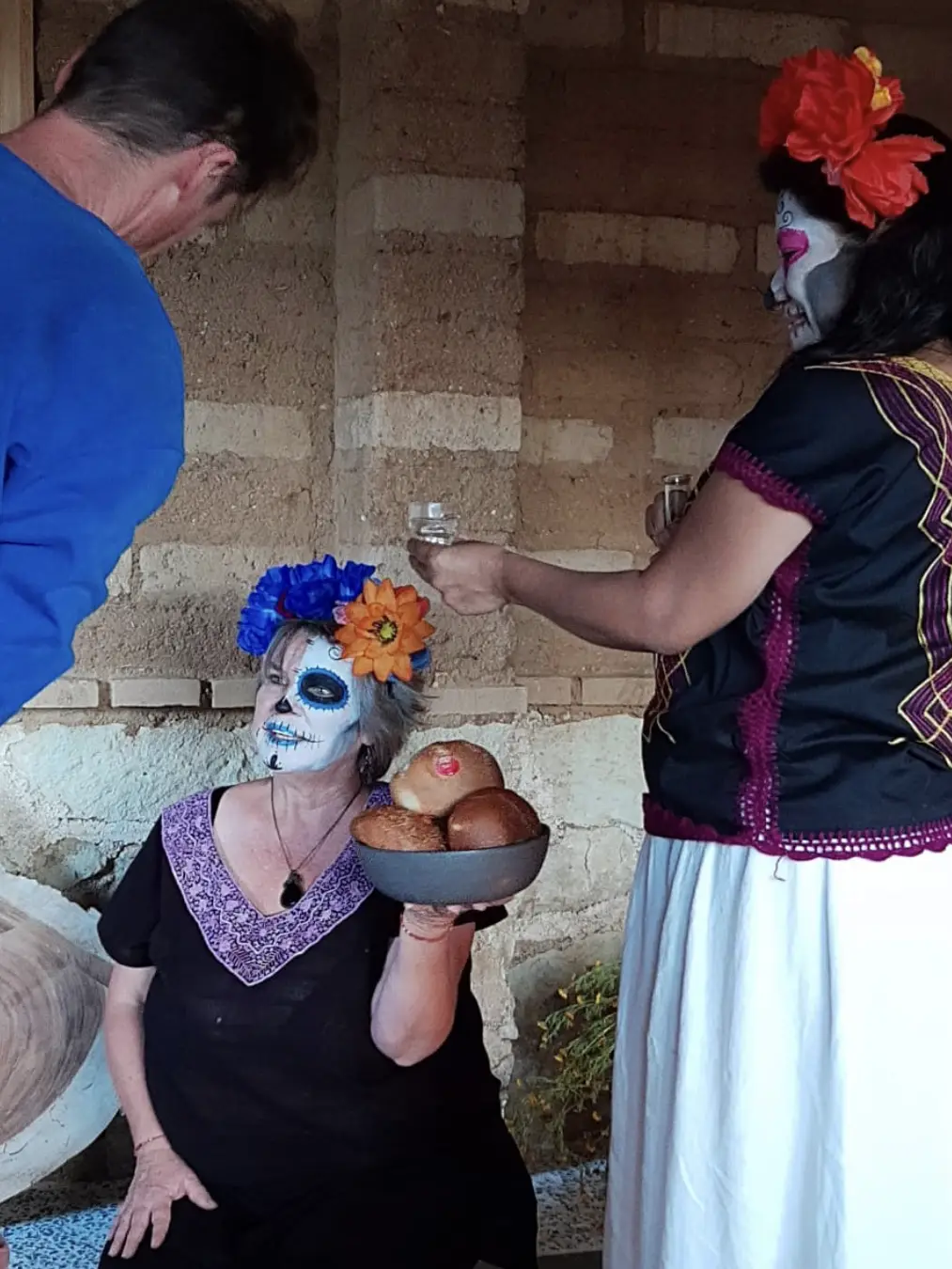
The streets were alive with music, dancing, people in costumes, and an incredible energy. We were taken from house to house, welcomed into the celebrations, and, much to everyone's amusement, everybody wanted to dance with the two gringos!
We had no choice but to join in.
Looking back, this remains one of my most beautiful memories of Día de Muertos in Oaxaca. We hadn't bought a ticket, booked an experience, or planned an itinerary. We had simply been welcomed by our neighbors and carried along by the celebration.
It was spontaneous, generous, joyful, and deeply connected to the community.
What stayed with me most was the feeling of belonging, even as newcomers.
Día de Muertos Through Times of Change: Oaxaca in 2006
During these three decades, we have experienced Día de Muertos under some extraordinary circumstances. One of the most unforgettable years was 2006, during the teachers' movement and social uprising in Oaxaca. The city was deeply affected by the conflict. There were strikes, demonstrations, barricades, and confrontations. Federal police entered the city, and the atmosphere was tense and uncertain. Tourism had practically disappeared. There were hardly any visitors in Oaxaca.
And yet, Día de Muertos arrived.
It was one of the most moving celebrations I can remember.
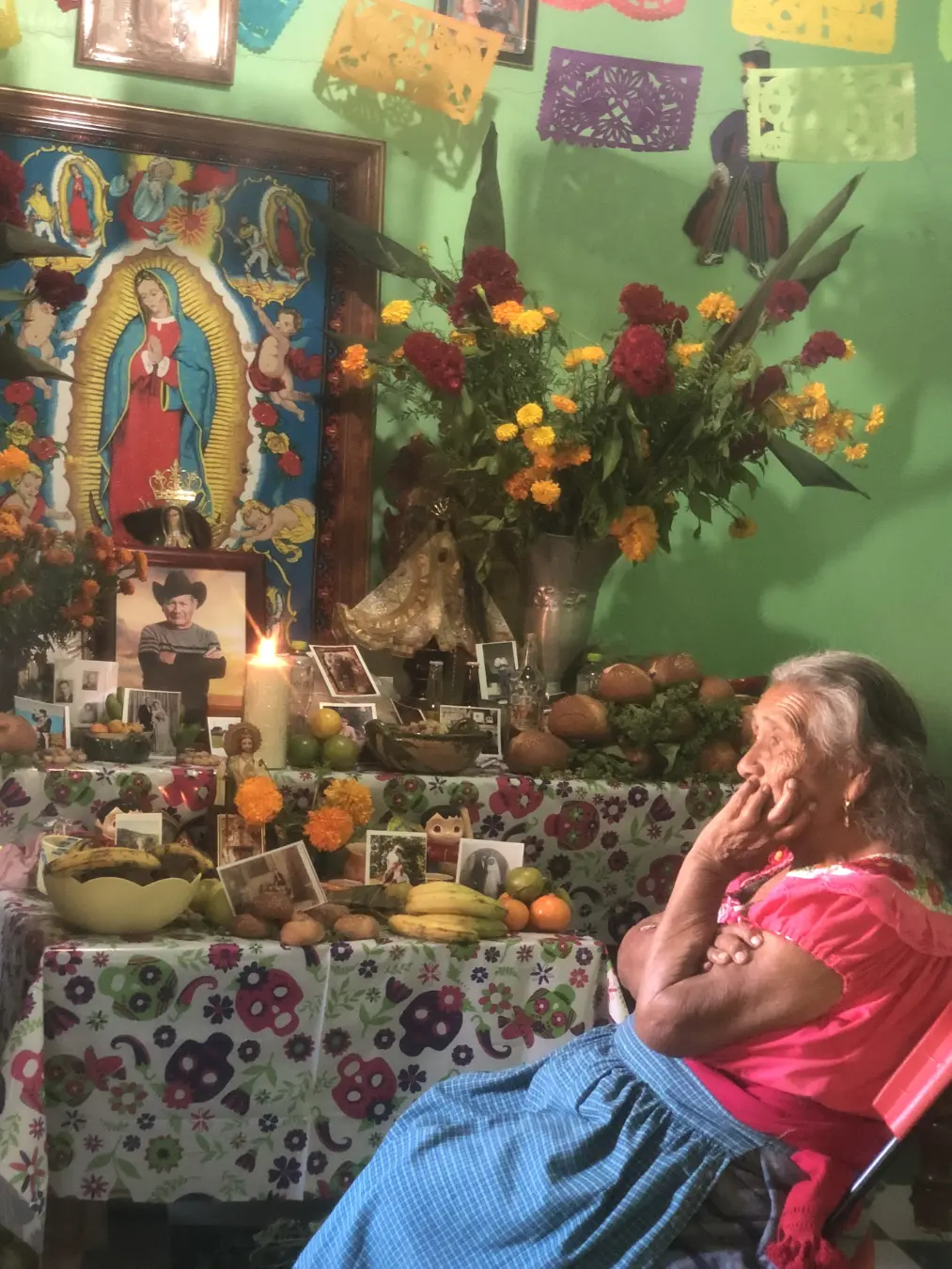
Throughout the city, altars were created not only for family members and ancestors, but also for the people who had lost their lives during the social movement. Their photographs, flowers, candles, and memories became part of the celebration.
There was something incredibly powerful about these altars. Día de Muertos became a way of remembering those who had died, honoring their lives, and keeping their memory alive within the community.
It was no longer only about welcoming our ancestors home. It was also about collective grief, dignity, and the importance of not forgetting.
Día de Muertos During the Pandemic
Then came the pandemic.
Once again, Oaxaca City was almost empty of tourists. The streets were quieter, the usual crowds were gone, and the celebration took on a different atmosphere. And once again, despite all the uncertainty of that time, people found ways to remember and honor their departed.
Looking back, I realize how many different faces of Día de Muertos we have witnessed.
The joyful celebrations in the villages, the political turmoil of 2006, the quietness of the pandemic, and now the enormous international spectacle that Oaxaca City has become.
Different circumstances, different atmospheres, different expressions. But one thing has remained remarkably constant: every year, people find a way to celebrate their dead.
How Día de Muertos in Oaxaca Has Changed: From Community Tradition to Global Attraction
Over the years, we have also watched Oaxaca City change enormously. Today, Día de Muertos has become one of Mexico's biggest international attractions. The city is beautifully decorated, hotels and restaurants are fully booked, streets are filled with visitors, and the celebrations have grown into a huge cultural and tourism event.
There is no denying the beauty of it all. The creativity, the decorations, the music, the energy of the city – it is spectacular.
But sometimes I find it overwhelming.
What was once primarily a deeply rooted family and community celebration has increasingly become a huge market. There are commercial events, photo opportunities, themed parties, costumes, tours, and endless ways to consume the experience.
Even the streets seem to have become a stage.
And sometimes I wonder how much of the original spirit gets lost in all this spectacle.
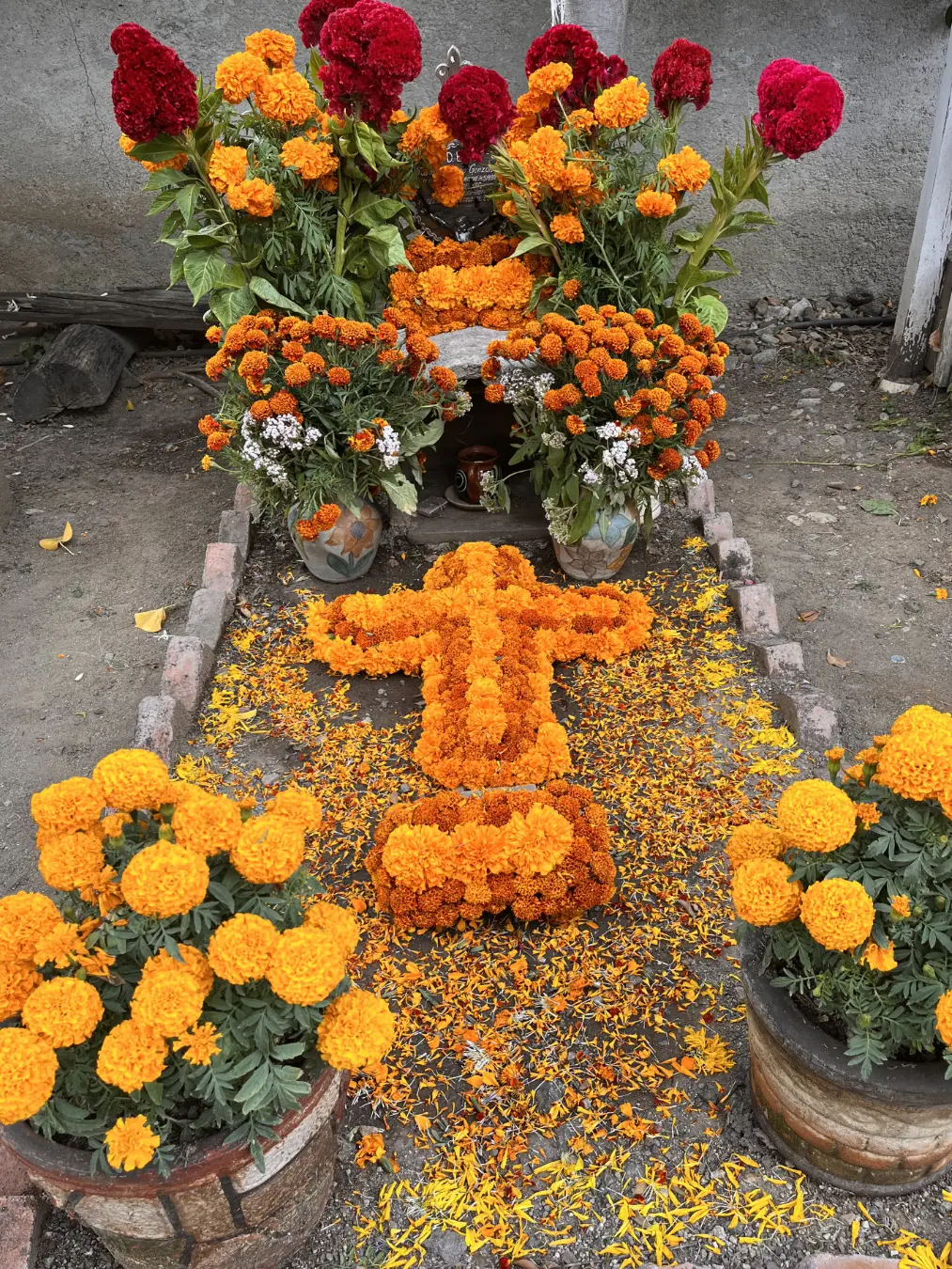
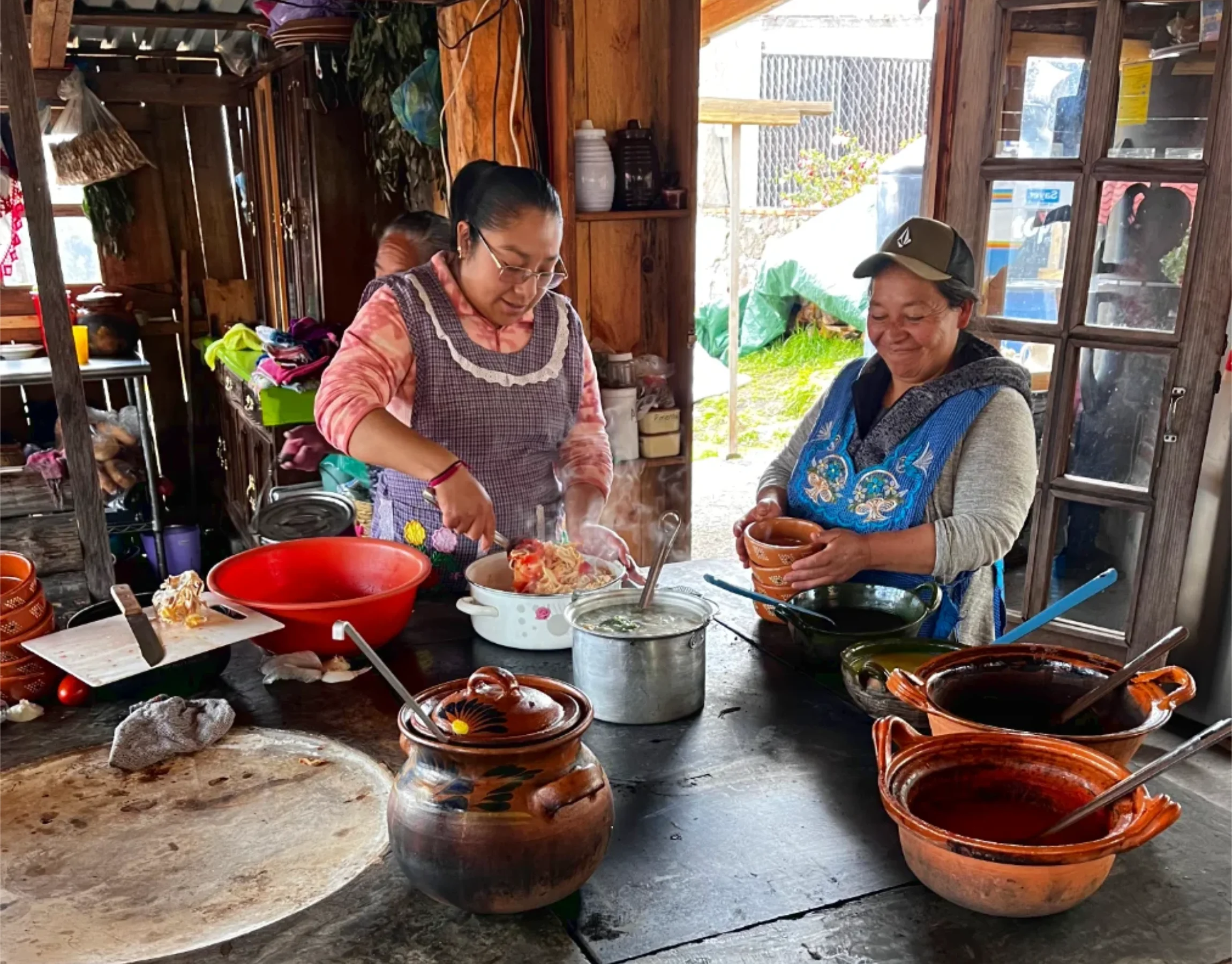
The contrast with the villages is particularly noticeable. There, Día de Muertos is often still lived in a much more intimate and personal way. Families prepare their altars, visit the cemeteries, cook the favorite foods of those who have passed, and gather to remember. The traditions are woven into everyday community life and passed from one generation to another.
Of course, villages also change, and traditions are never frozen in time. But the experience is different. Less about watching, photographing, and consuming, and more about participating, remembering, and belonging.
And I think this distinction matters.
Because Día de Muertos is not something you simply watch. It is something you live.
Choosing to Experience Día de Muertos Away from Tourism
Having worked in tourism for so many years and organized tours during these very special dates, we made a conscious decision two years ago: we would no longer work during Día de Muertos.
Instead, we take these days for ourselves.
We prepare our altar and welcome our own ancestors, beloved friends, teachers, and all those who have touched our lives so deeply.
We make space for them. We remember them, speak to them, share food, light candles, and welcome them home.
It has become important for us to experience these days without a schedule, without guests to guide, without the responsibility of organizing anything.
Simply to be present.
To return to the essence of what this celebration means to us.
The Meaning of Día de Muertos: What Remains Sacred
Every year, I still make a point of waking up early one morning to walk through Oaxaca City. I want to see the decorations, smell the flowers, feel the atmosphere, and witness the incredible creativity of the people.
Even with all the commercialization, I cannot help falling in love with it again. Because beneath the spectacle, something much deeper is still alive. I think of that first time in Teotitlán del Valle, being woken up at four o'clock by our neighbors. I think of the altars in 2006, remembering those who lost their lives. I think of the quiet days of the pandemic. And I think of all the families who, year after year, continue to prepare their homes and their hearts for the return of their beloved dead.
The city changes. The circumstances change. The world changes.
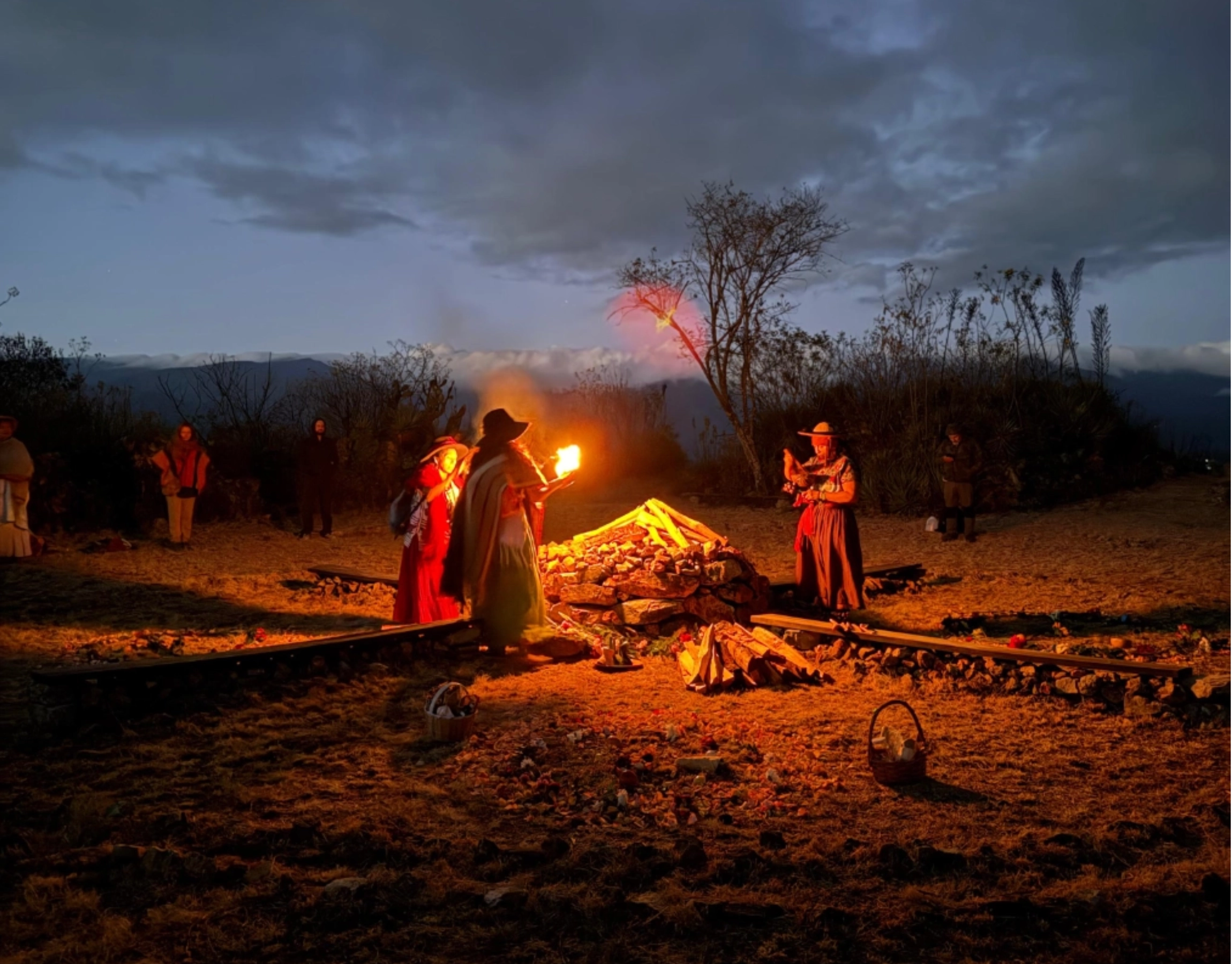
But every year, the marigolds arrive. The copal is lit. The altars are prepared. The food is cooked. And the doors are opened.
Perhaps this is the real magic of Día de Muertos in Oaxaca.
It is not about death, but about the continuity of love. About remembering where we come from, honoring those who walked before us, and understanding that the people we deeply love never really leave us.
They remain in our stories, in our gestures, in our memories, and in everything they have passed on to us.
And every year, for a few precious days, we welcome them home.
Thirty years later, I still fall in love with Día de Muertos in Oaxaca. And perhaps now, more than ever, I understand why. 🧡🌼💀
By Tierraventura Ecotours
Search by Tags
Indigenous knowledge Ancestral knowledge Learning experience