Learning Traditional Medicine in Oaxaca
With Ester Luis a Zapotec curandera
Learning with Ester
A living lineage of Zapotec traditional medicine in the Sierra Norte of Oaxaca
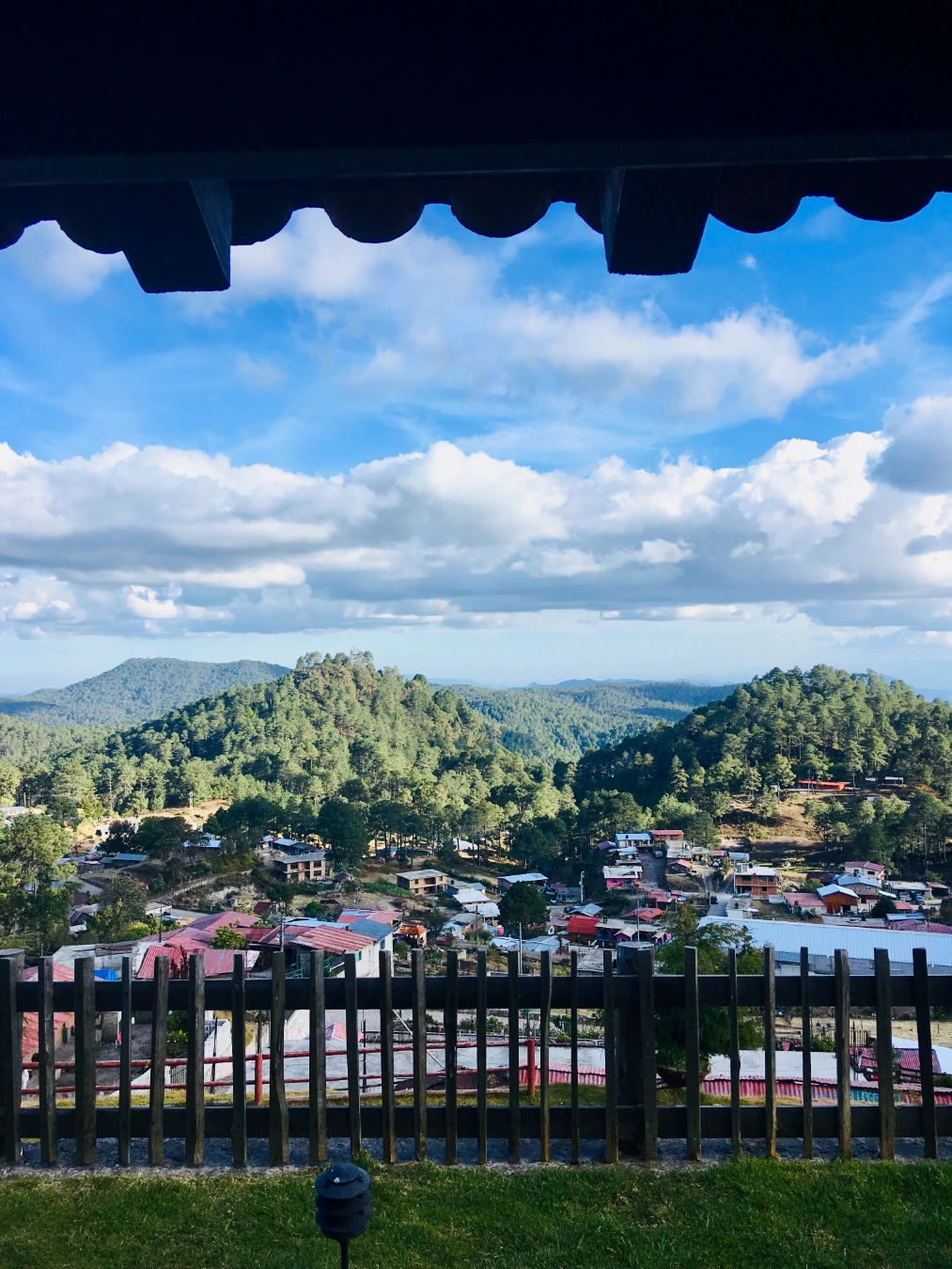
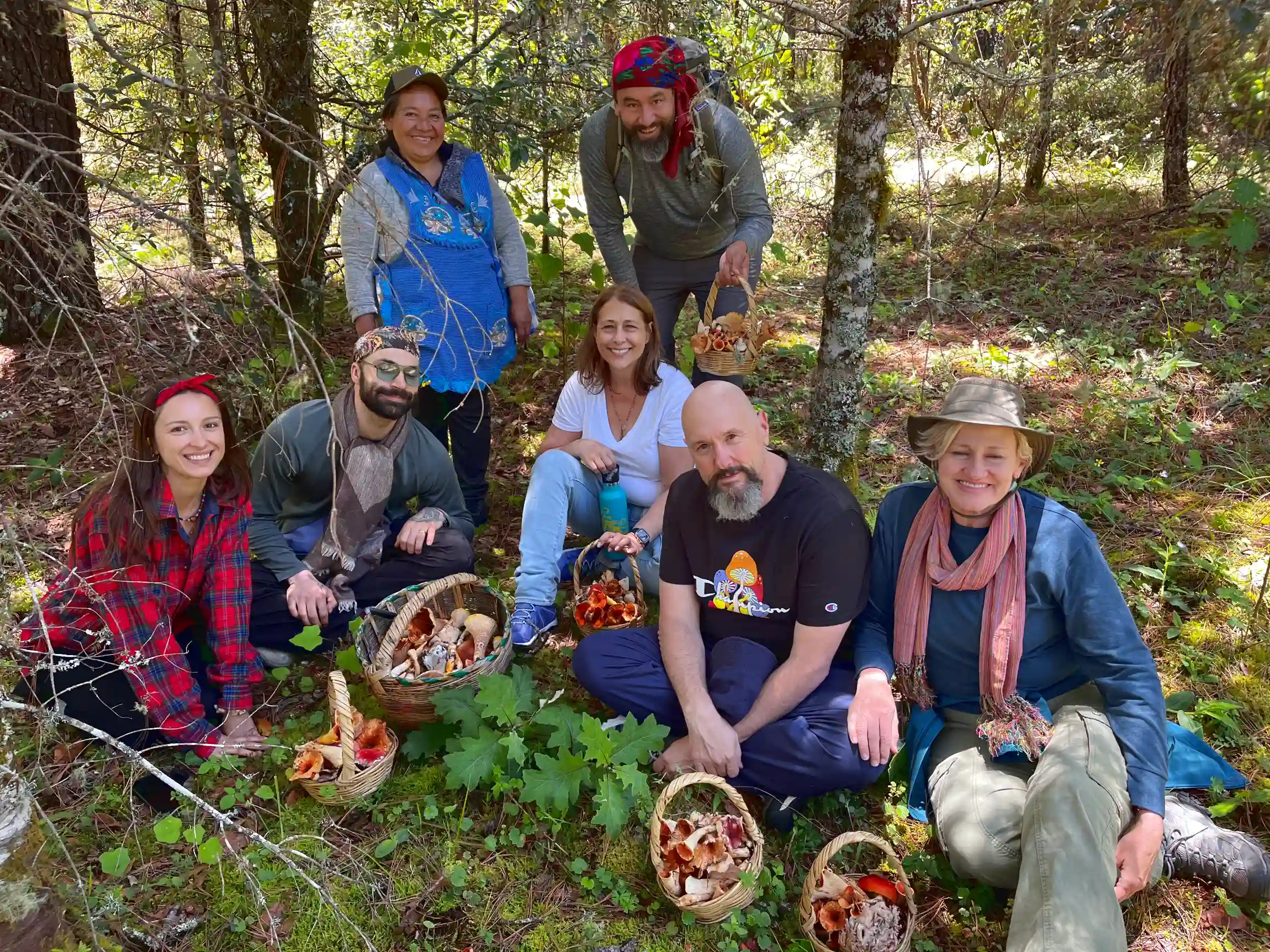
High in the mountains of Oaxaca, surrounded by pine and oak forests, lies the Zapotec community of San Antonio Cuajimoloyas, one of the communities of the Pueblos Mancomunados in the Sierra Norte.
Here, the forest is not simply a landscape.
It is pharmacy, teacher, pantry, home and memory.
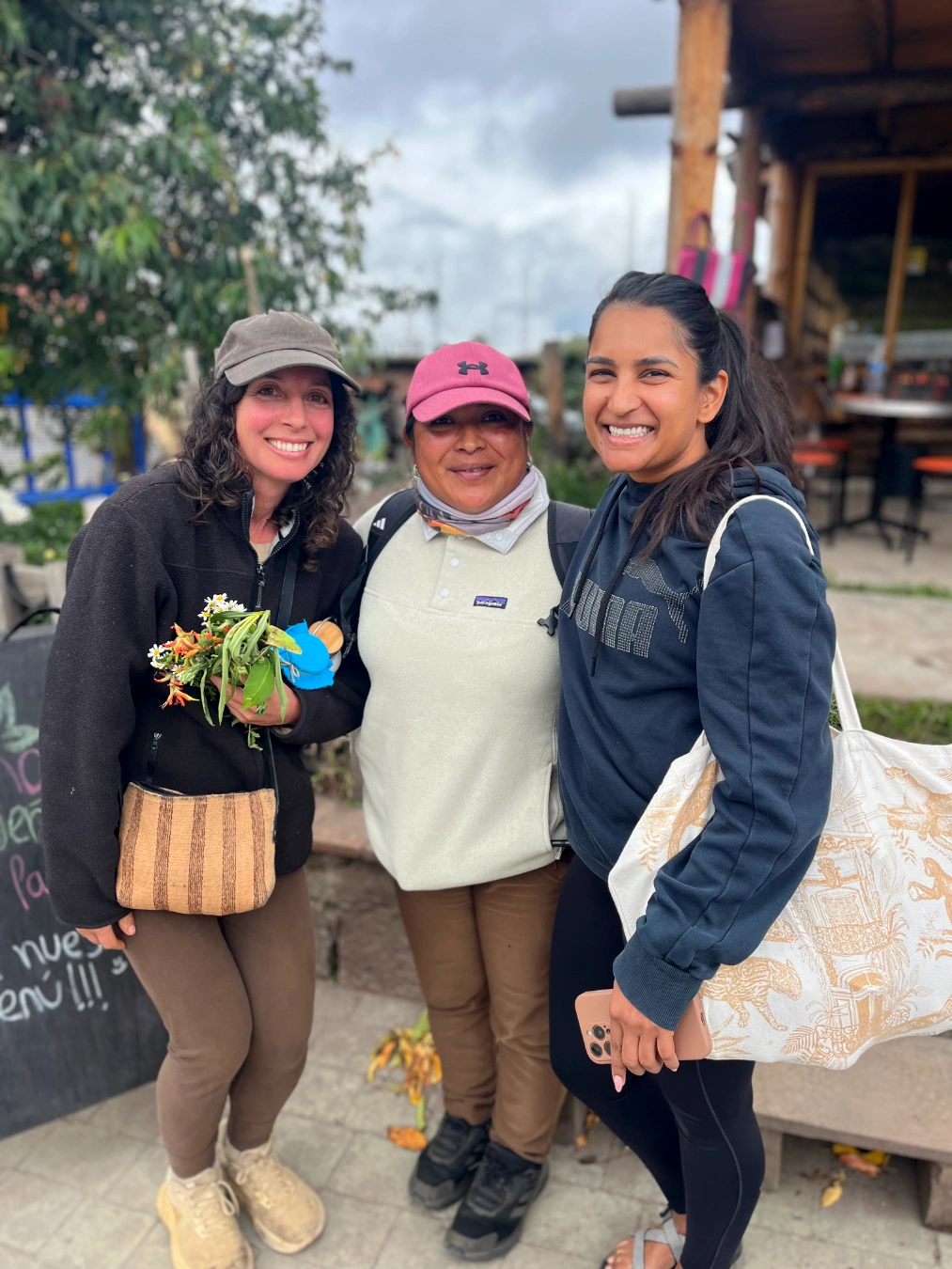
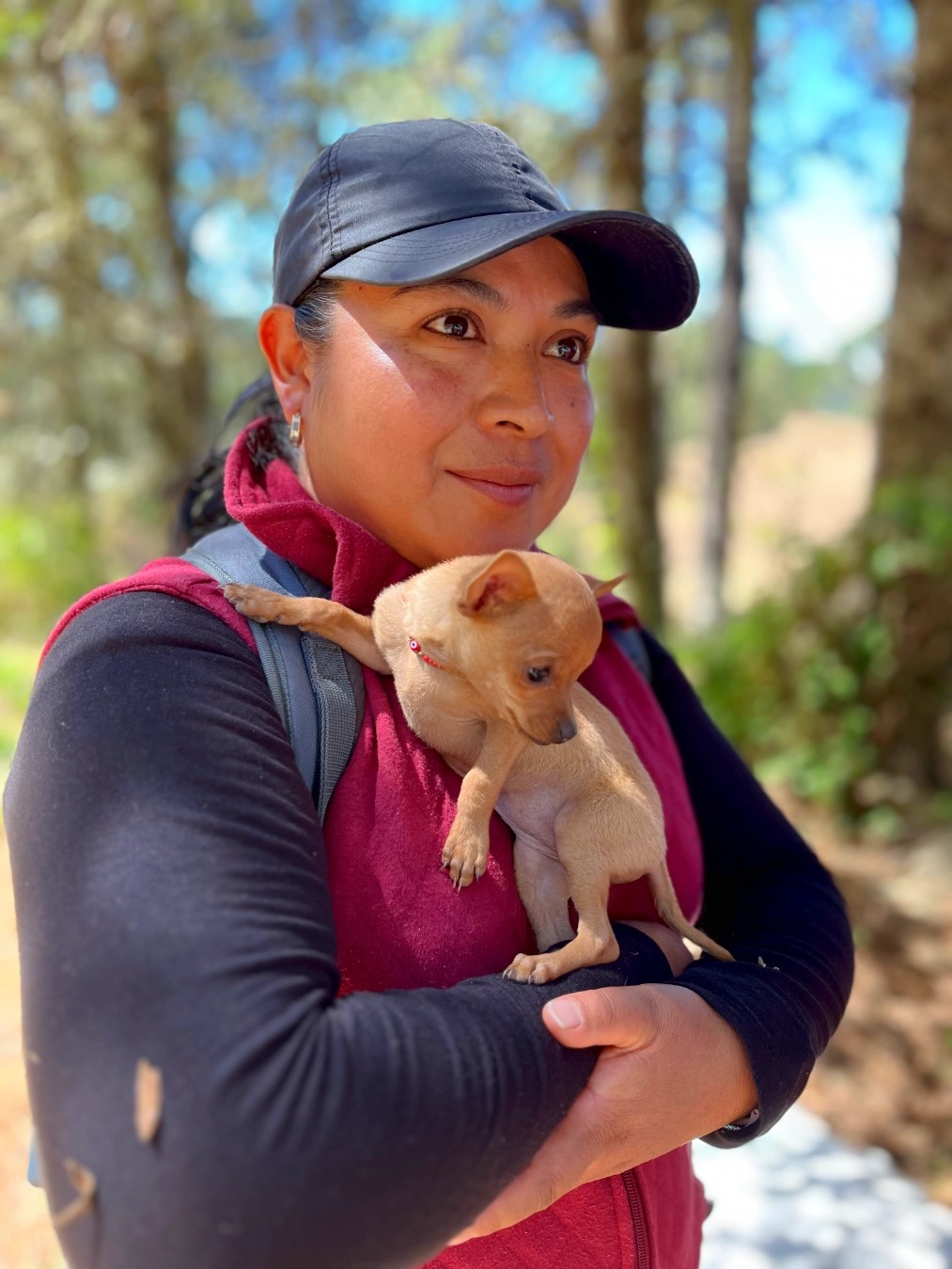
And among the people who carry this knowledge is Ester Luis Juárez, a Zapotec curandera whose relationship with traditional medicine comes through her family lineage.
Ester followed the path of her mother and great-grandmother. Her knowledge was not learned from books. It was transmitted through living — through watching, helping, listening, preparing, walking, touching, gathering and caring for others.
For many years, we have had the privilege of knowing Ester and spending time with her in her community. She is our goddaughter and have witnessed the profound simplicity of her way of working.
People from the community and other villages around know where to find her when they need help.
She works with plants, baths, massages and the Temazcal. But her medicine is much larger than a collection of treatments.
It is a relationship.
A relationship with the body.
With the plants.
With water, fire and earth.
With the mountains.
And with the people who come to her.
A healer rooted in her community
What makes Ester’s work so meaningful to us is that it is still part of everyday community life.
Traditional medicine here has not been separated from the place where it was born.
The plants grow around the community. The knowledge belongs to a lineage. The Temazcal is connected to a living tradition. Food, agriculture, the forest and healing are not different worlds.
They are part of the same web.
This is something that can be difficult to understand when traditional medicine is taken out of its cultural context and presented simply as a set of techniques.
With Ester, we experience something different.
We sit with her.
We listen.
We watch how she prepares.
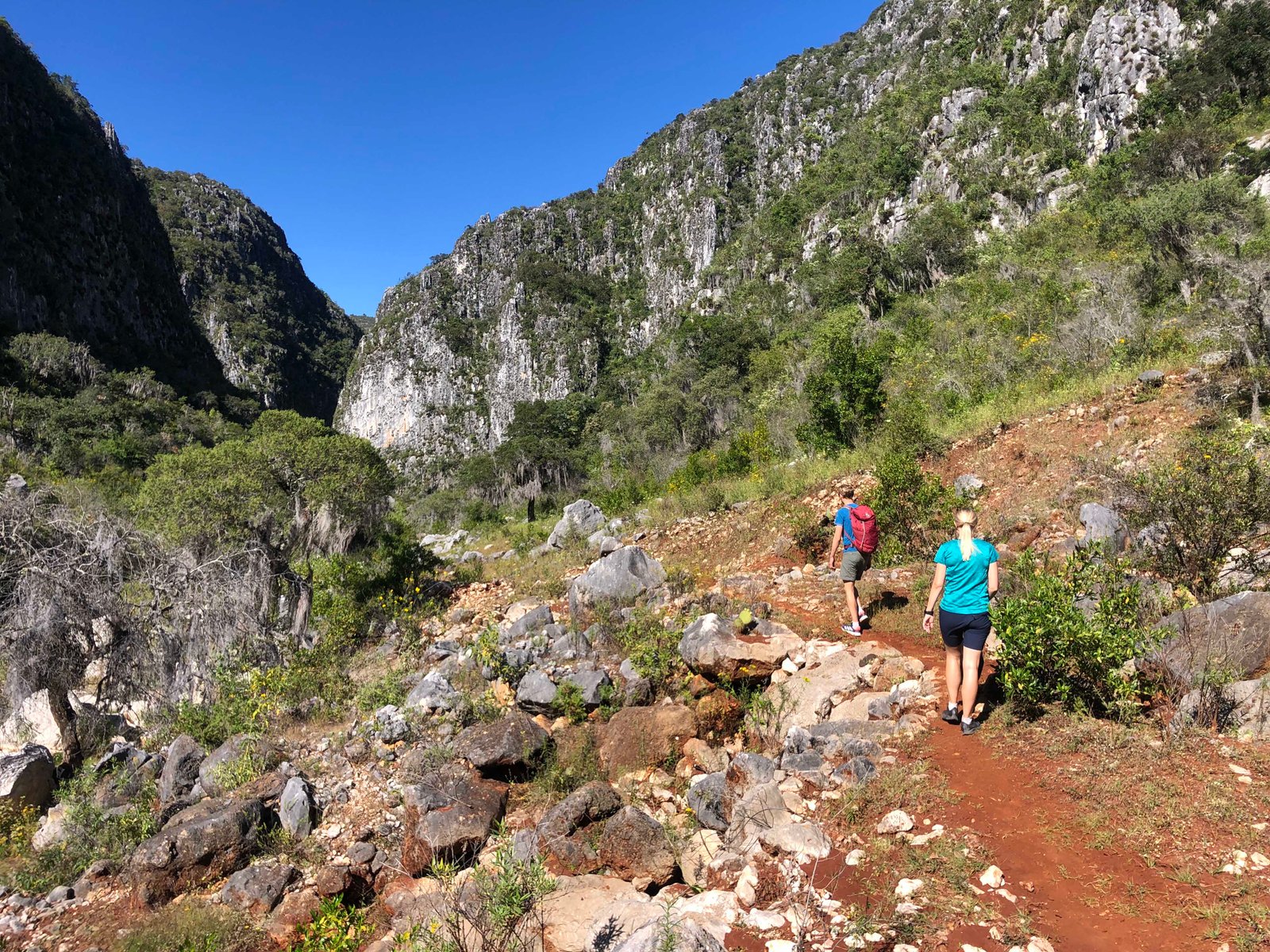
We walk through the landscape.
We learn about plants.
We share food.
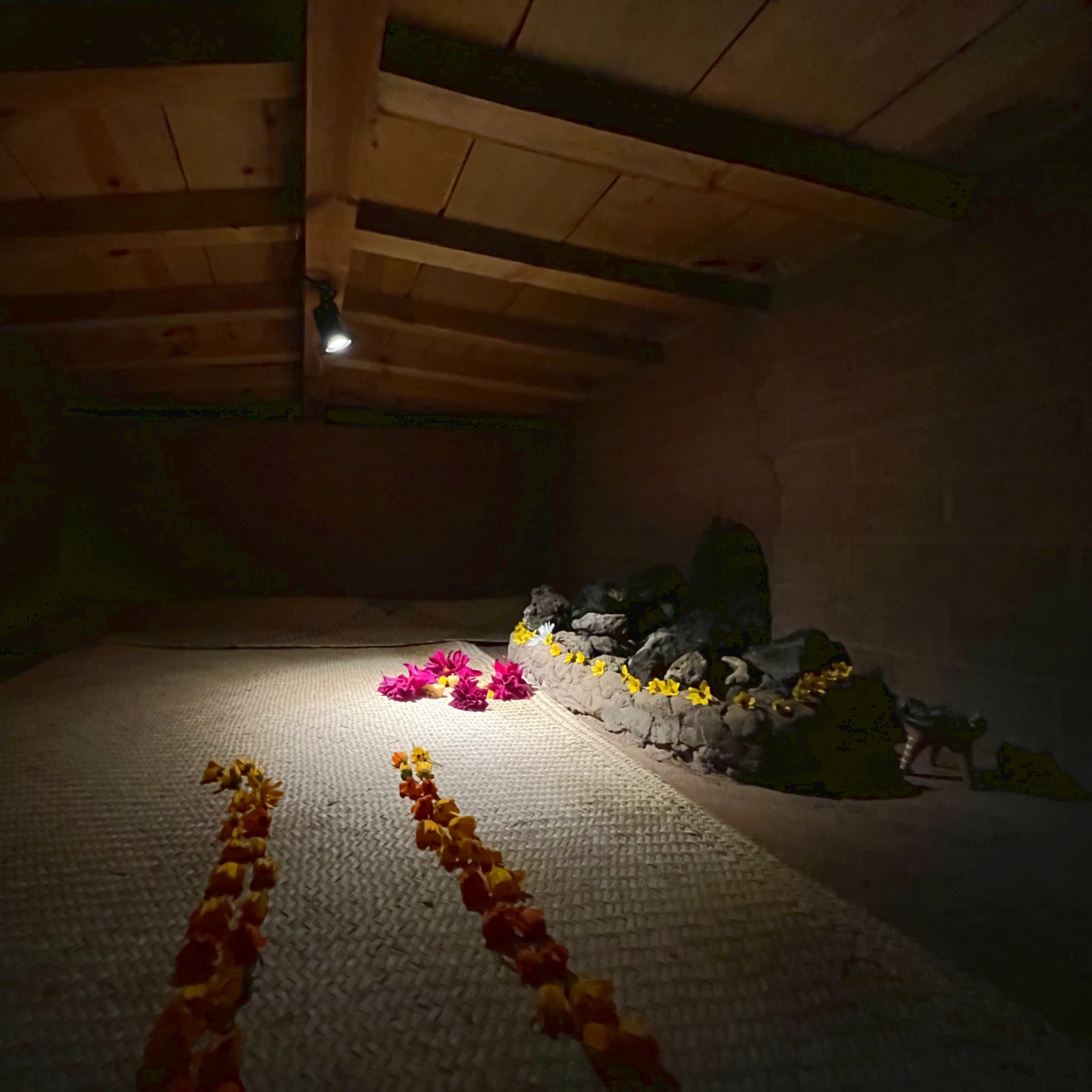
We enter the Temazcal.
And slowly, we begin to understand that the knowledge is not contained in one particular practice.
It lives in the relationship between all of them.
Learning, rather than taking
This is the seed behind Learning with Ester.
We don’t want to create another workshop where people arrive, receive information, take photographs and leave with a certificate.
We are interested in something slower.
Something more human.
An opportunity to spend time with Ester and her family, to enter her world respectfully and to learn through direct relationship.
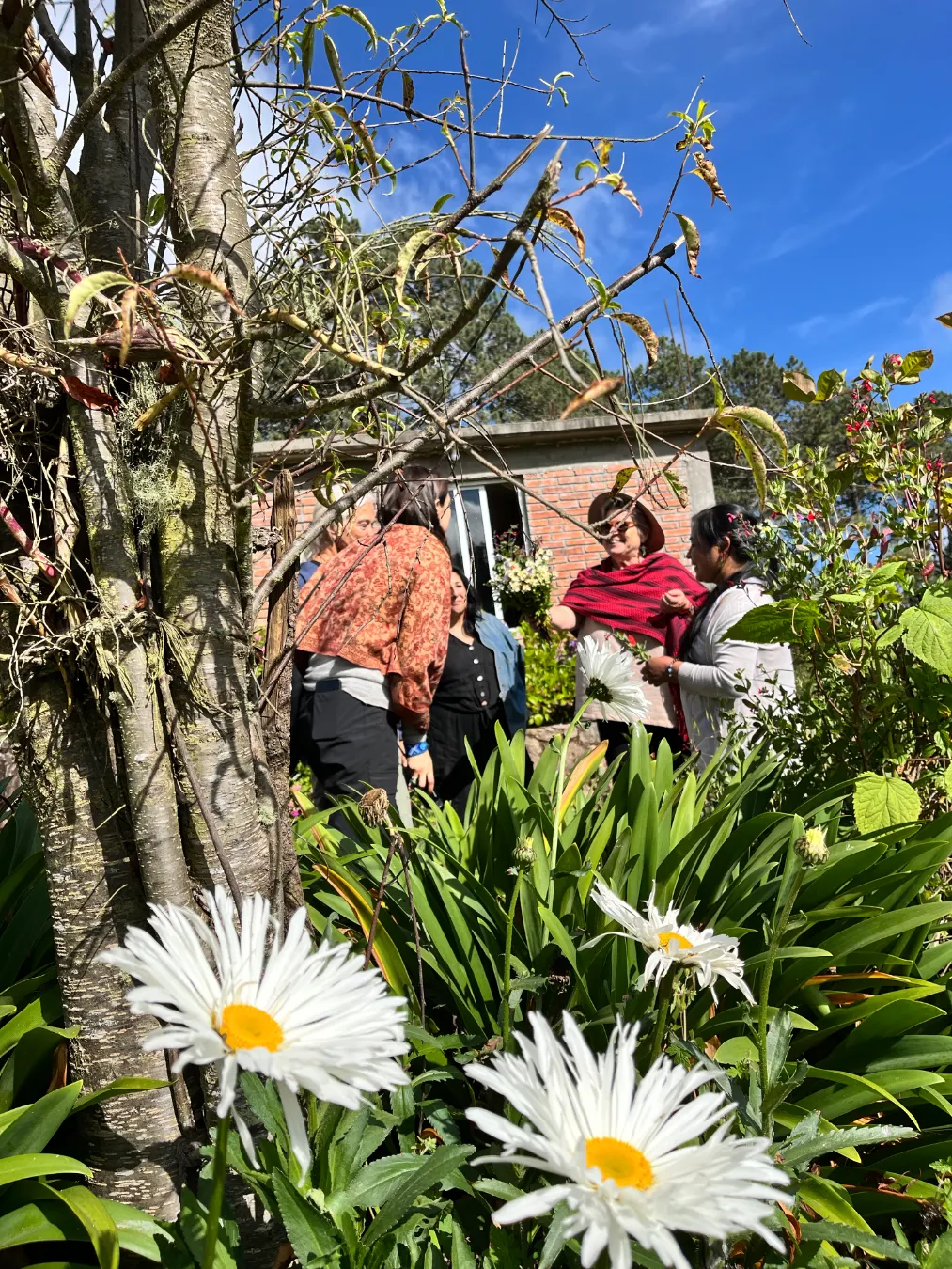
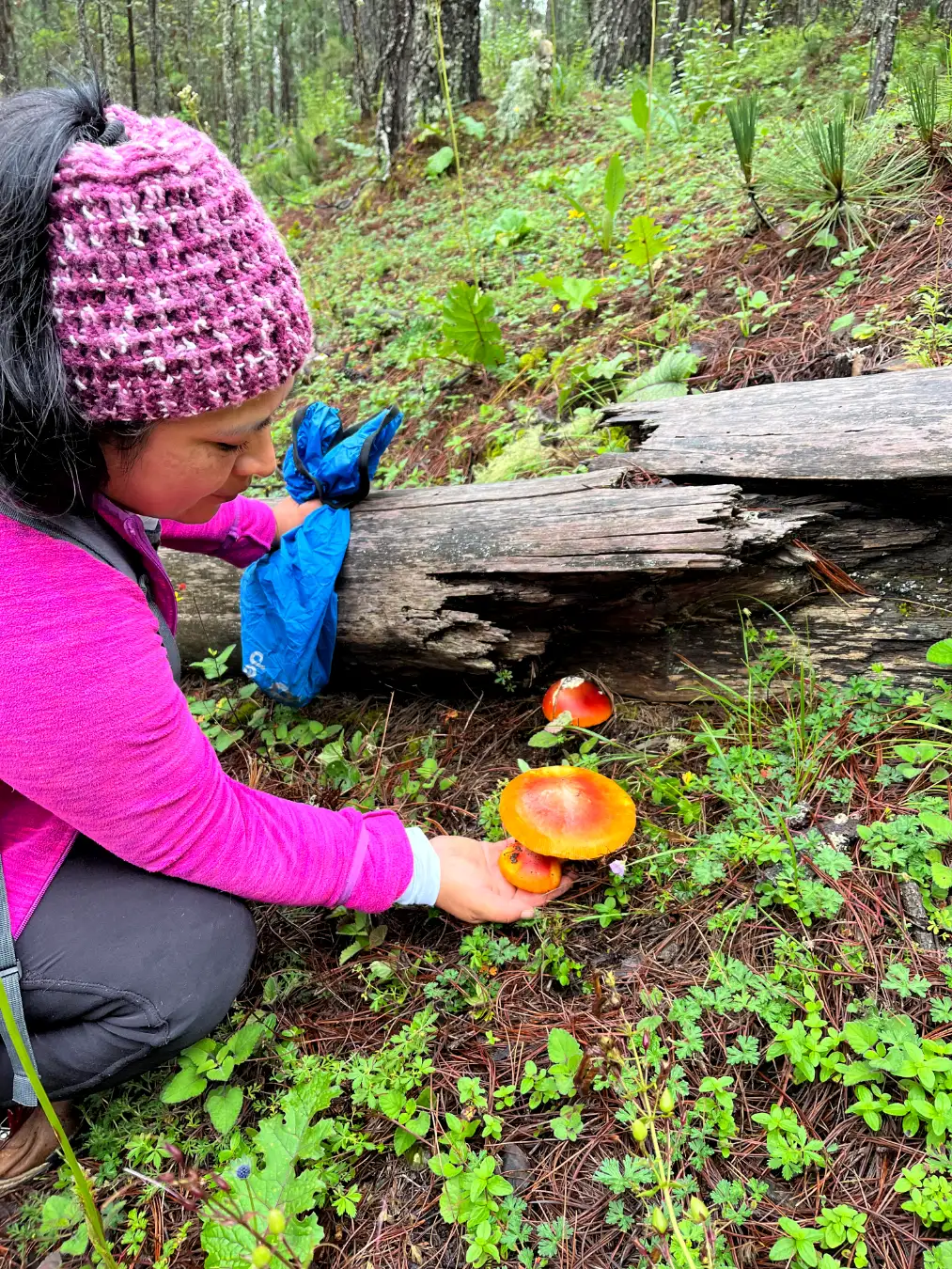
You might learn how a particular plant is recognized.
How it is gathered.
How it is prepared.
What kind of bath is traditionally used.
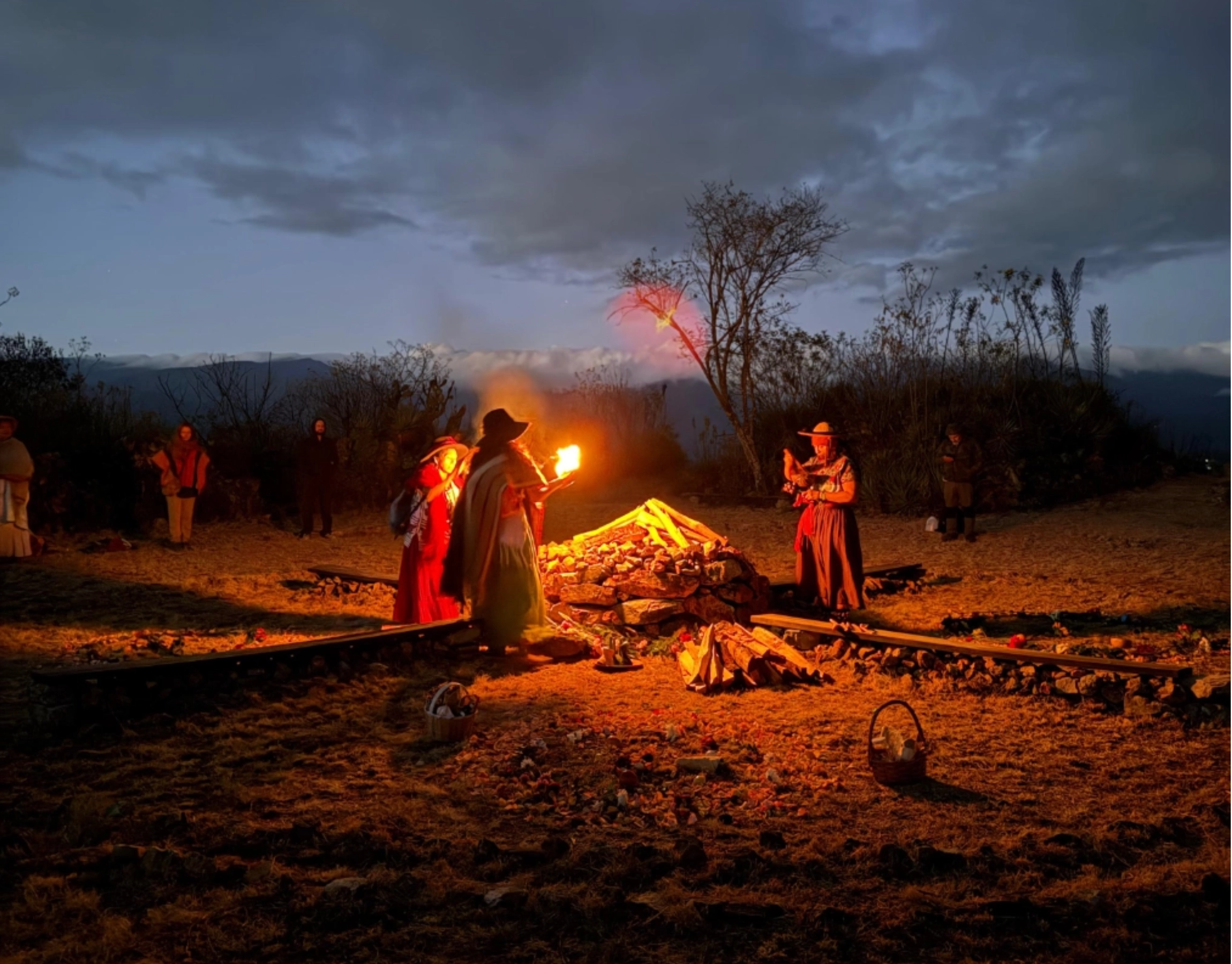
How the Temazcal is prepared.
How food and medicine meet.
How the forest is read.
But the most important learning will be something that cannot be written down.
It is learning how knowledge is carried.
How it passes from one generation to another.
How a healer observes before acting.
How medicine is connected to place.
And how much of what we call “knowledge” is actually a relationship that has been cultivated over many years.
A few days in the mountains
Learning with Ester is intentionally small.
We want to keep the groups intimate so that there is enough space for genuine exchange and so that Ester does not have to become something she is not.
This is not about creating a performance of Indigenous culture.
It is about being welcomed into a community and spending time there with respect.
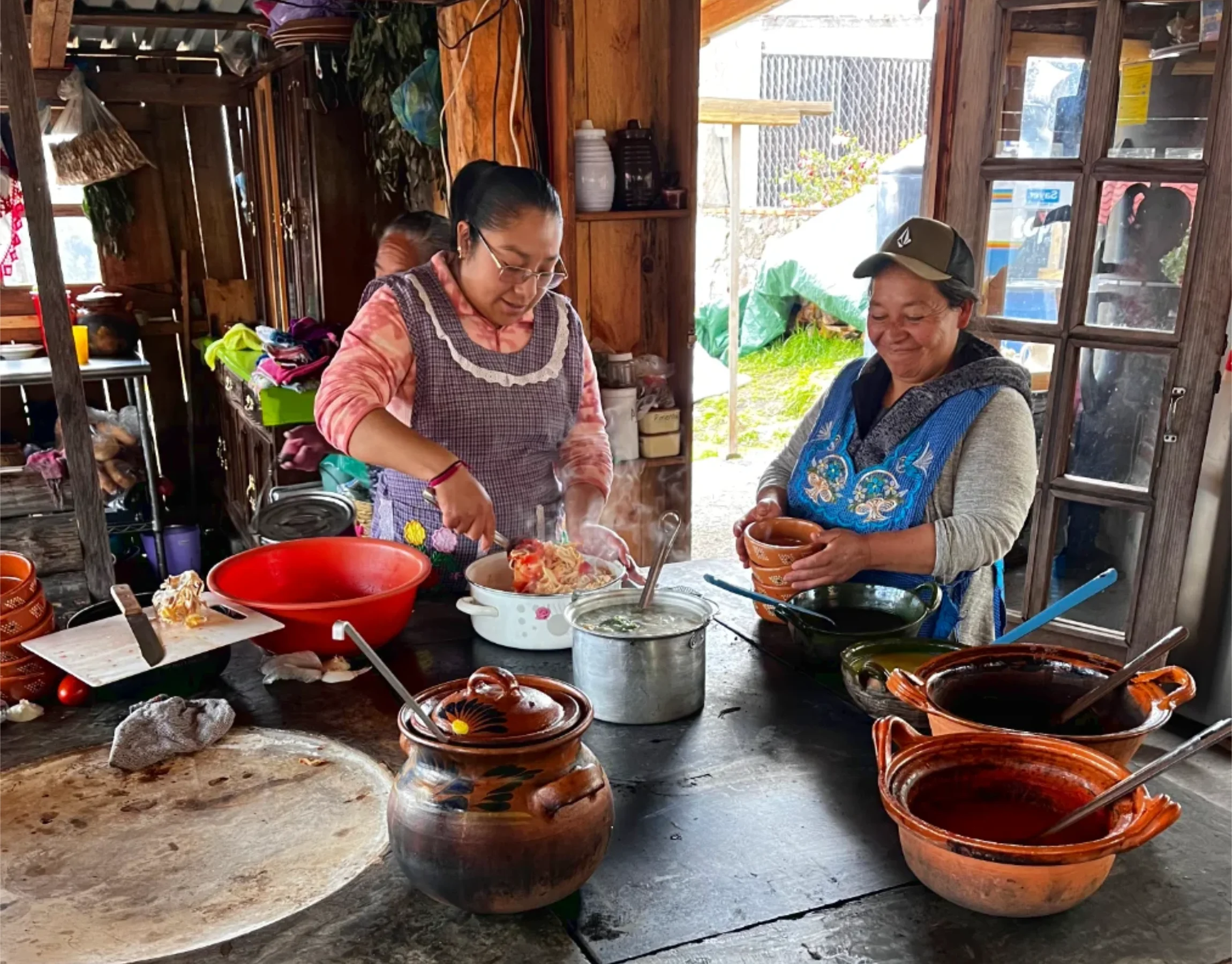
There may be time in the kitchen.
Time in the forest.
Time learning about medicinal plants.
Time preparing traditional food.
Time in the Temazcal.
Time walking.
Time sitting together.
And time doing nothing in particular.
Because sometimes it is precisely in those quiet moments that the deepest understanding begins.
An exchange, not a transaction
For us, this is also an important question:
How can ancestral knowledge be shared without turning it into a commodity?
Traditional medicine has value.
But its value cannot be measured only in a price.
Ester’s time, knowledge and work deserve fair recognition and economic reciprocity. At the same time, we want this possibility to remain accessible and not become a luxury experience available only to a few people.
This is why we are exploring a sliding-scale contribution.
Those who have greater economic possibility can contribute more, helping make participation possible for someone with fewer resources.
In this way, the exchange becomes part of the learning itself.
We are not simply paying for knowledge.
We are participating in a relationship of reciprocity.
Why we believe this matters
Across the world, Indigenous knowledge is increasingly being rediscovered.
Plants that Indigenous communities have known for generations are being researched.
Traditional foods are becoming fashionable.
Ceremonies are being offered far away from the communities where they originated.
There is much beauty in people becoming interested in ancestral knowledge.
But there is also a responsibility.
If we want to learn from Indigenous traditions, perhaps we need to begin by listening to the people who still carry them.
Not extracting their knowledge.
Not separating it from its territory.
Not taking what is useful and leaving the rest behind.
But supporting the people and communities who have kept these ways alive.
This is one of the intentions behind Raíces Vivas.
To create bridges between people who want to learn and the knowledge holders who are still living their traditions.
To make space for exchange.
To support the transmission of knowledge between generations.
And, above all, to remember that ancestral knowledge is not something from the past.
It is alive.
Coming to Cuajimoloyas
Perhaps the most beautiful part of learning with Ester is simply arriving in her world.
Leaving Oaxaca City behind.
Climbing into the Sierra Norte.
Breathing the mountain air.
Walking beneath the trees.
Being welcomed into a Zapotec community.
And meeting a woman whose medicine is inseparable from the land where she was born.
We don’t know exactly what each person will take home from these days.
And that is part of the point.
Because learning with Ester is not about collecting knowledge.
It is about allowing yourself to be in relationship with it.
And to remember that some knowledge can only be understood when we slow down enough to live it.
Welcome to Cuajimoloyas.
Welcome to Ester’s world.
Welcome to a living lineage.
Learn Zapotec traditional medicine with Ester in Cuajimoloyas, Oaxaca.
By Tierra Sagrada Ecotours on October 2, 2026
Search by Tags
Pueblos mancomunados Reconnecting to nature Zapotec traditional medicine Curandera Medicinal plants Cultural exchange