Zapotitlán de las Salinas - San Juan Raya : Deserts, Salt & Dinosaurs
4,000 Years of Salt, Cacti & Fossils
Ruta: Tehuacan-Cuicatlan
Zapotitlán de las Salinas – San Juan Raya: A Journey Through Living Deserts and Ancient Seas in the Tehuacán-Cuicatlán Biosphere Reserve
Some landscapes ask you to imagine their past. Zapotitlán de las Salinas doesn't ask — it shows you. This remarkable desert village located in the Mexican state of Puebls, part of the UNESCO-listed Tehuacán-Cuicatlán Biosphere Reserve, holds two extraordinary stories in the same patch of arid land: a 4,000-year-old tradition of salt harvesting still practiced today, and fossil evidence of an ancient sea that covered this now-parched terrain millions of years ago — complete with dinosaur footprints preserved in stone. This 2-day Oaxaca and Puebla desert tour takes travelers into one of Mexico's most surprising ecological and geological destinations, where living culture and deep time exist side by side.
A Living Tradition: 4,000 Years of Salt Harvesting
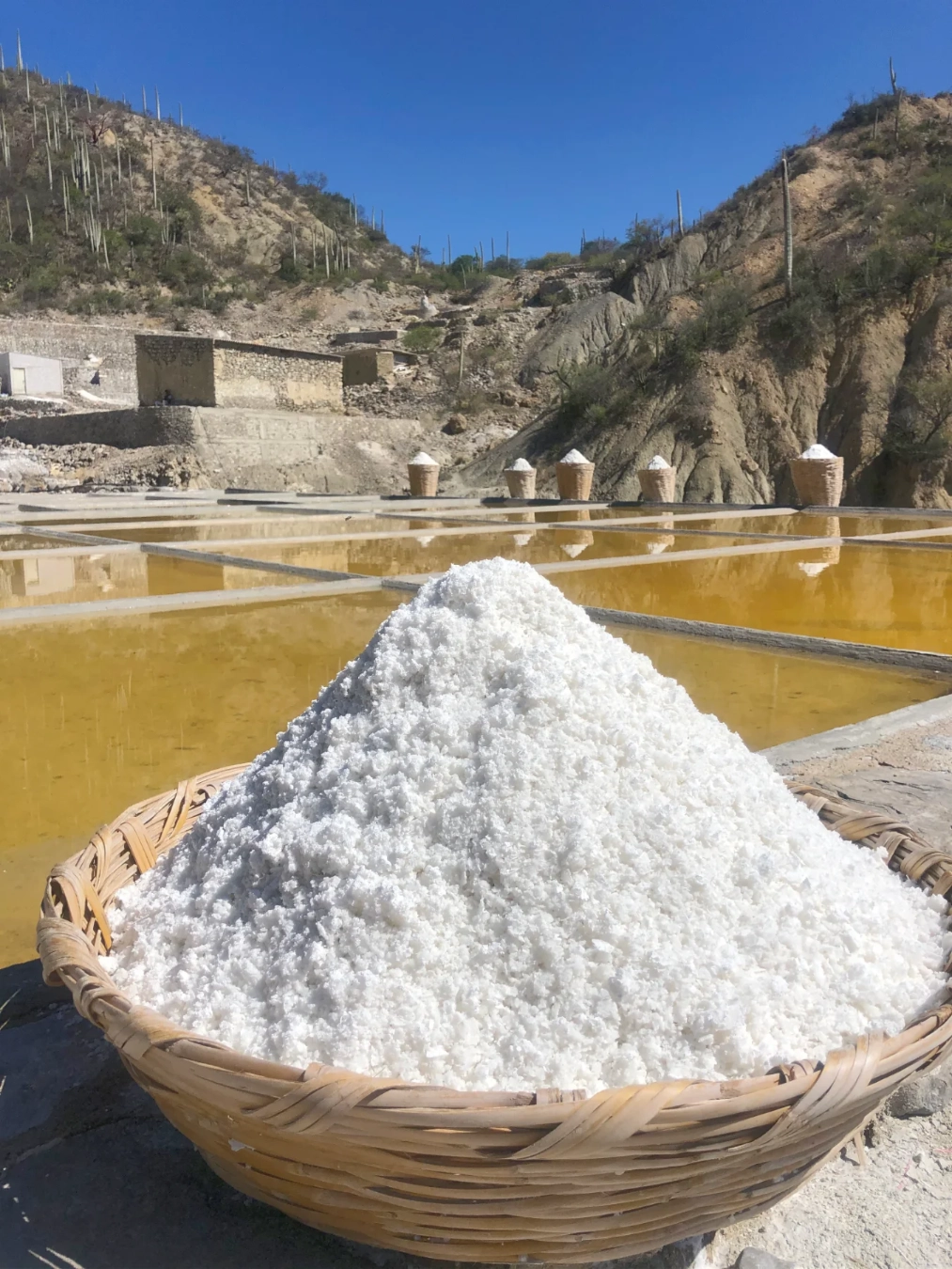
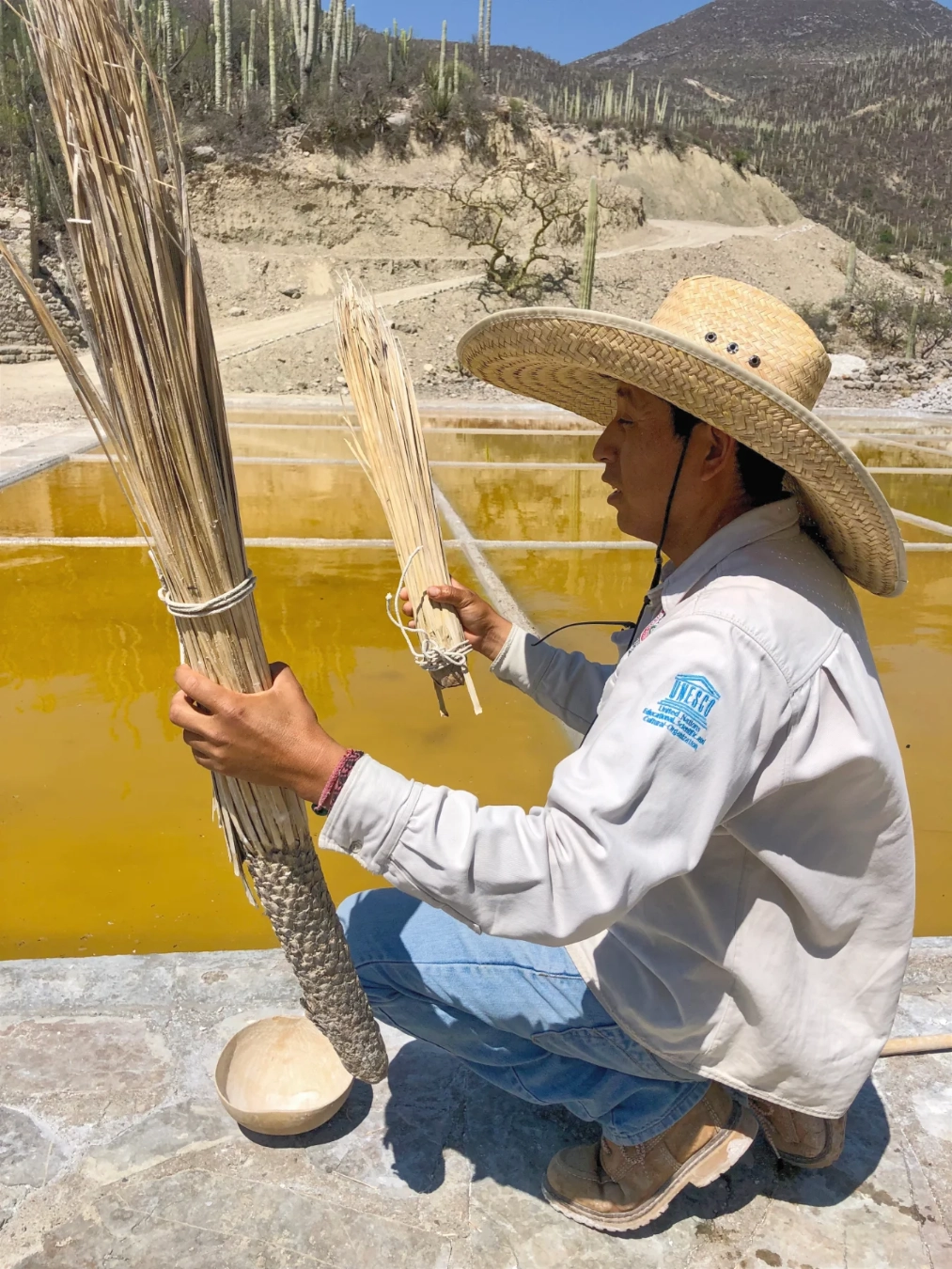
For more than four millennia, the people of Zapotitlán de las Salinas have drawn salt from natural springs using techniques passed down through generations — a practice that continues virtually unchanged into the present day. We witness this millennial salt-making tradition firsthand: water drawn from mineral-rich springs, evaporated under the desert sun, and slowly transformed into bright crystals through patience and inherited knowledge. It's a rare opportunity to see an ancient artisanal process still fully alive, not preserved behind glass in a museum but practiced daily by the community that has sustained it since before recorded history. For anyone interested in living Mexican traditions, artisanal salt production, or authentic cultural tourism, this is a highlight not to be missed.
A Night Among Desert Giants: The Helia Bravo Hollis Botanical Garden
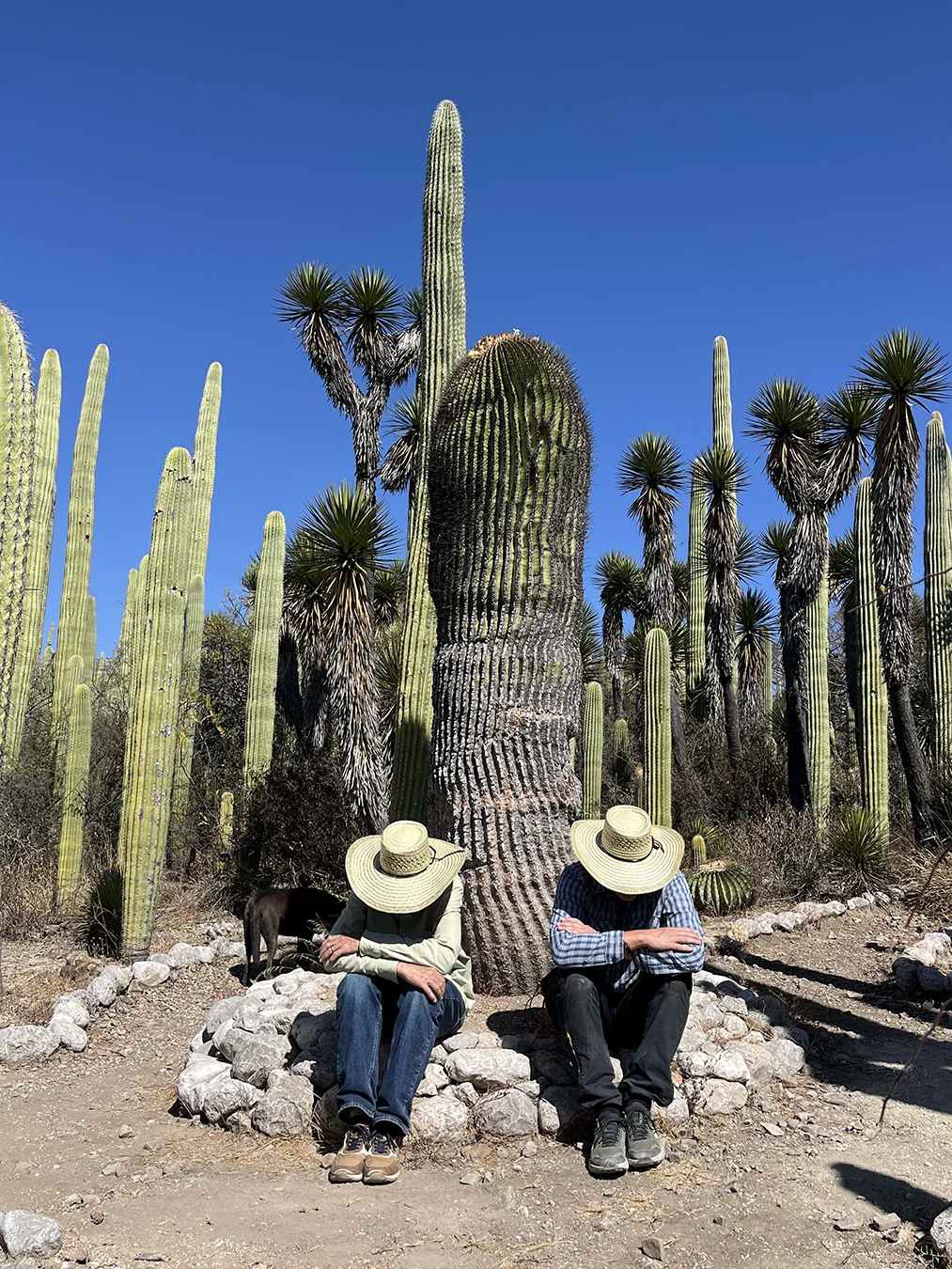
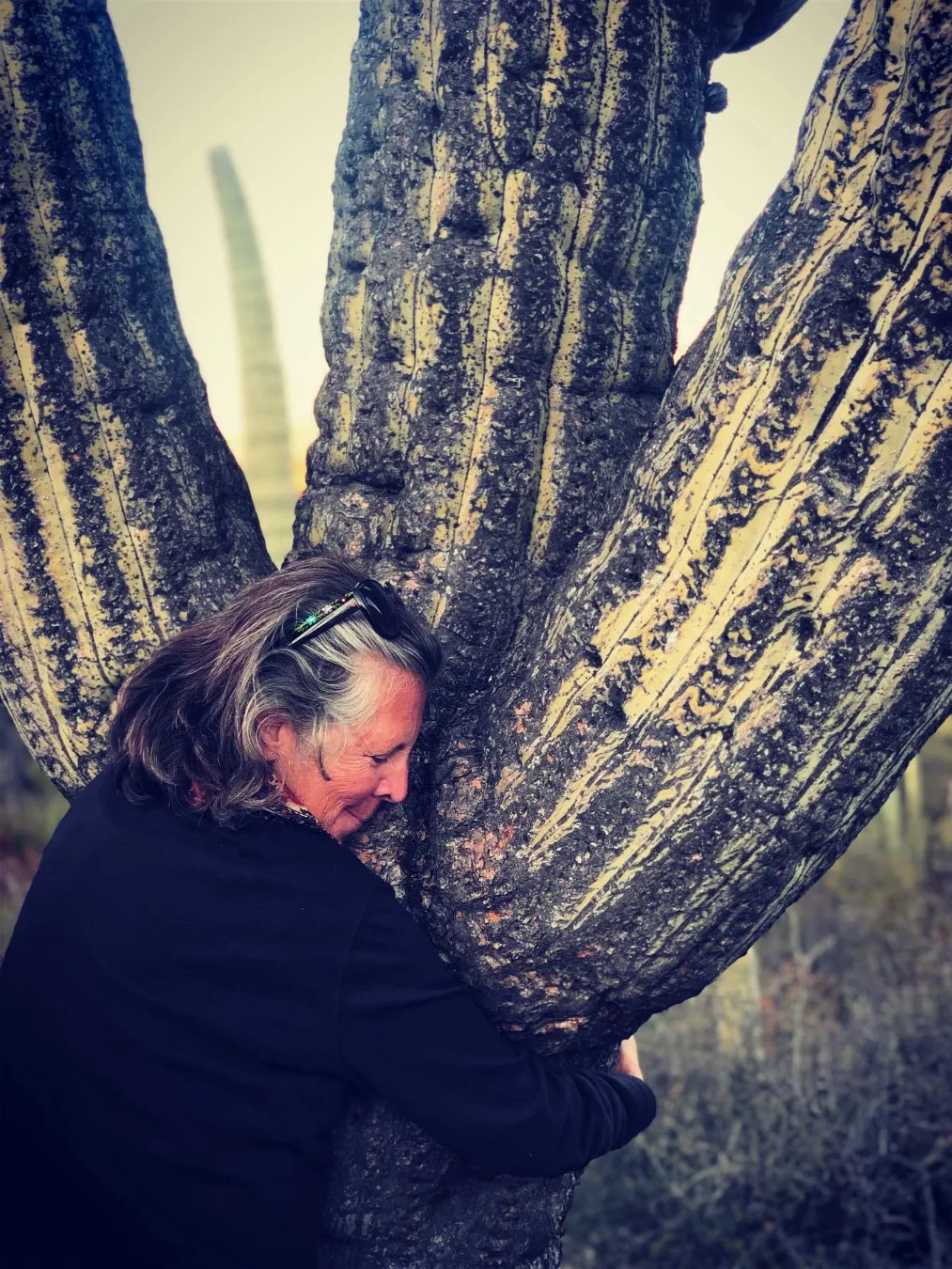
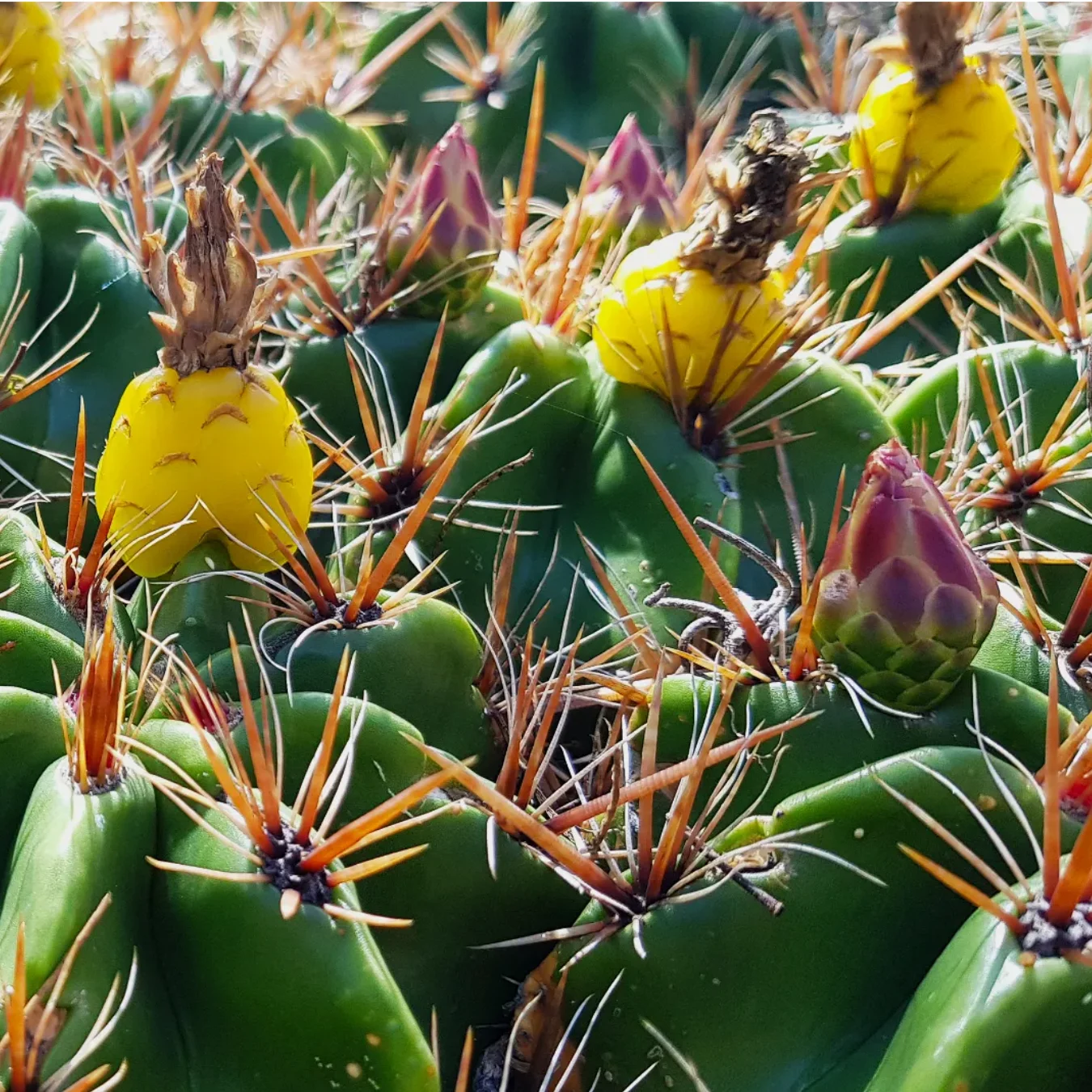
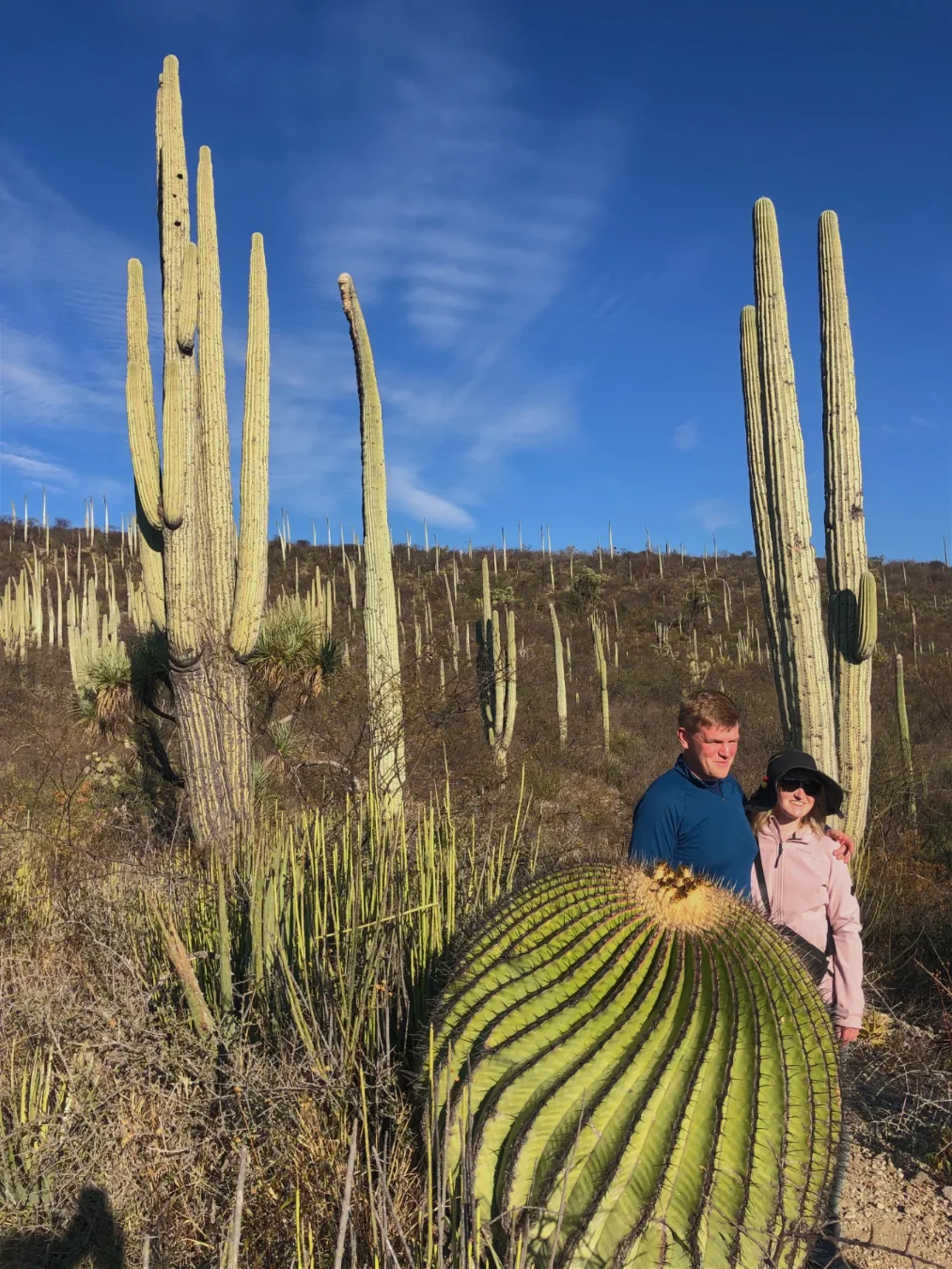
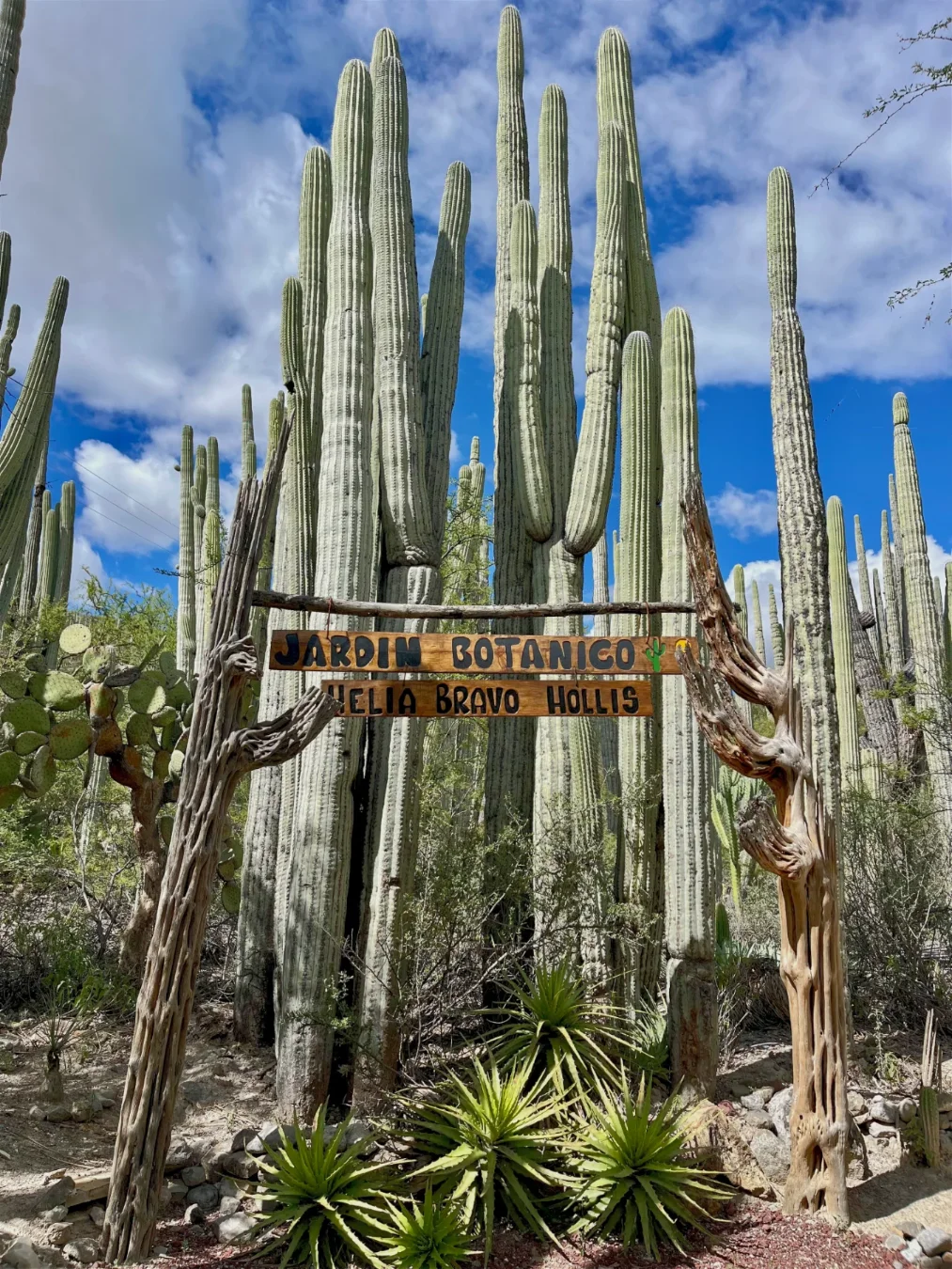
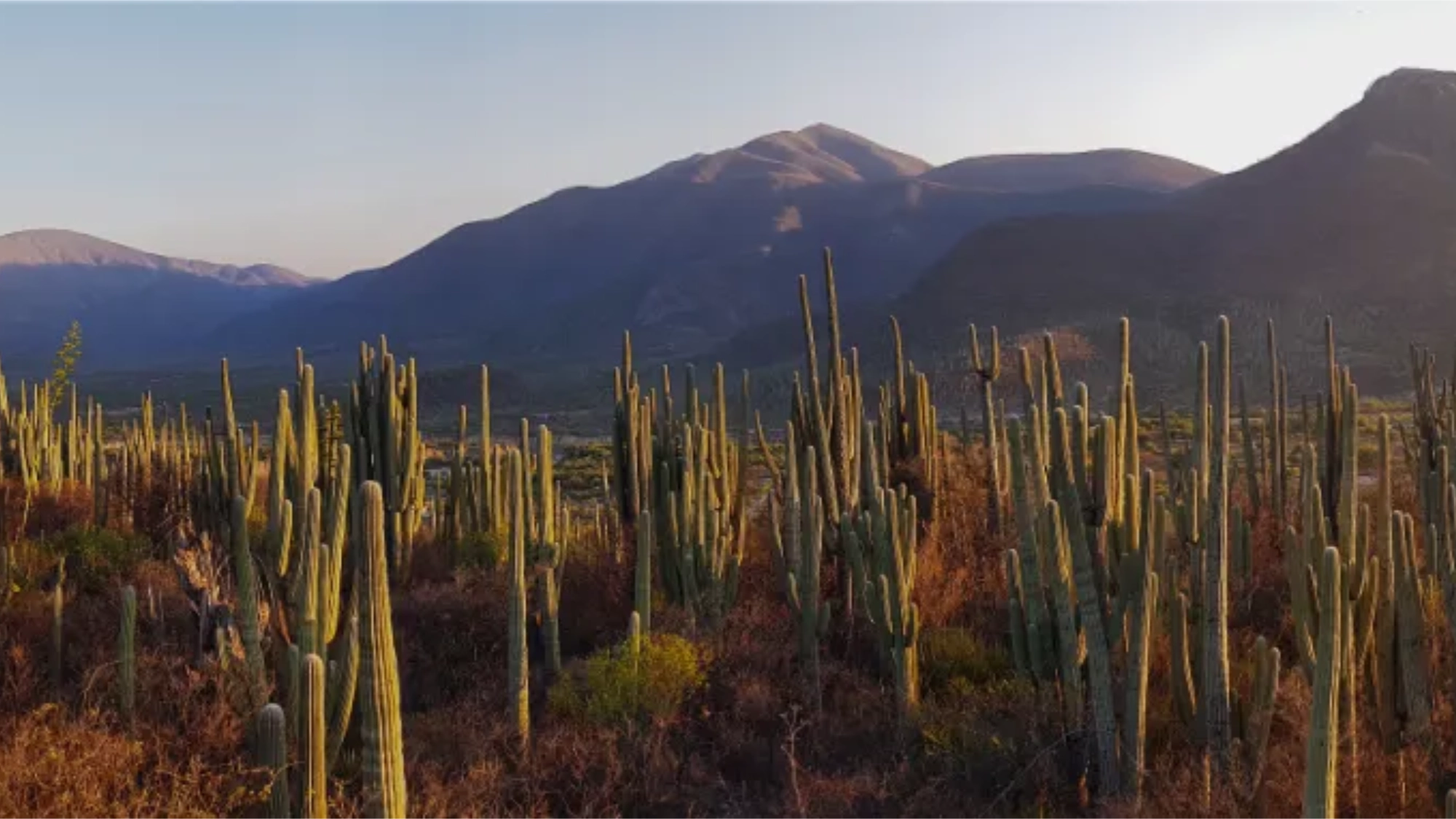
As the sun sets, the tour settles into the Helia Bravo Hollis Botanical Garden, home to one of the largest and most spectacular cactus forests in the Americas. Named in honor of the pioneering Mexican biologist who first studied this ecosystem and became Mexico's first female biology graduate, the garden protects more than 2,500 plant species — organ-pipe cacti, biznagas, garambullos, and pitayos among them — all growing in their natural desert environment. Watching the stars emerge above towering columnar cacti is one of those rare travel moments that feels genuinely otherworldly, and it's easy to understand why this reserve has earned recognition as a UNESCO World Heritage Site celebrated for its extraordinary biodiversity and its long-standing, exemplary relationship between people and nature. This is essential territory for cactus lovers, desert ecology enthusiasts, and anyone seeking a botanical garden tour in Mexico unlike any other.
San Juan Raya: Where an Ancient Sea Once Covered the Desert
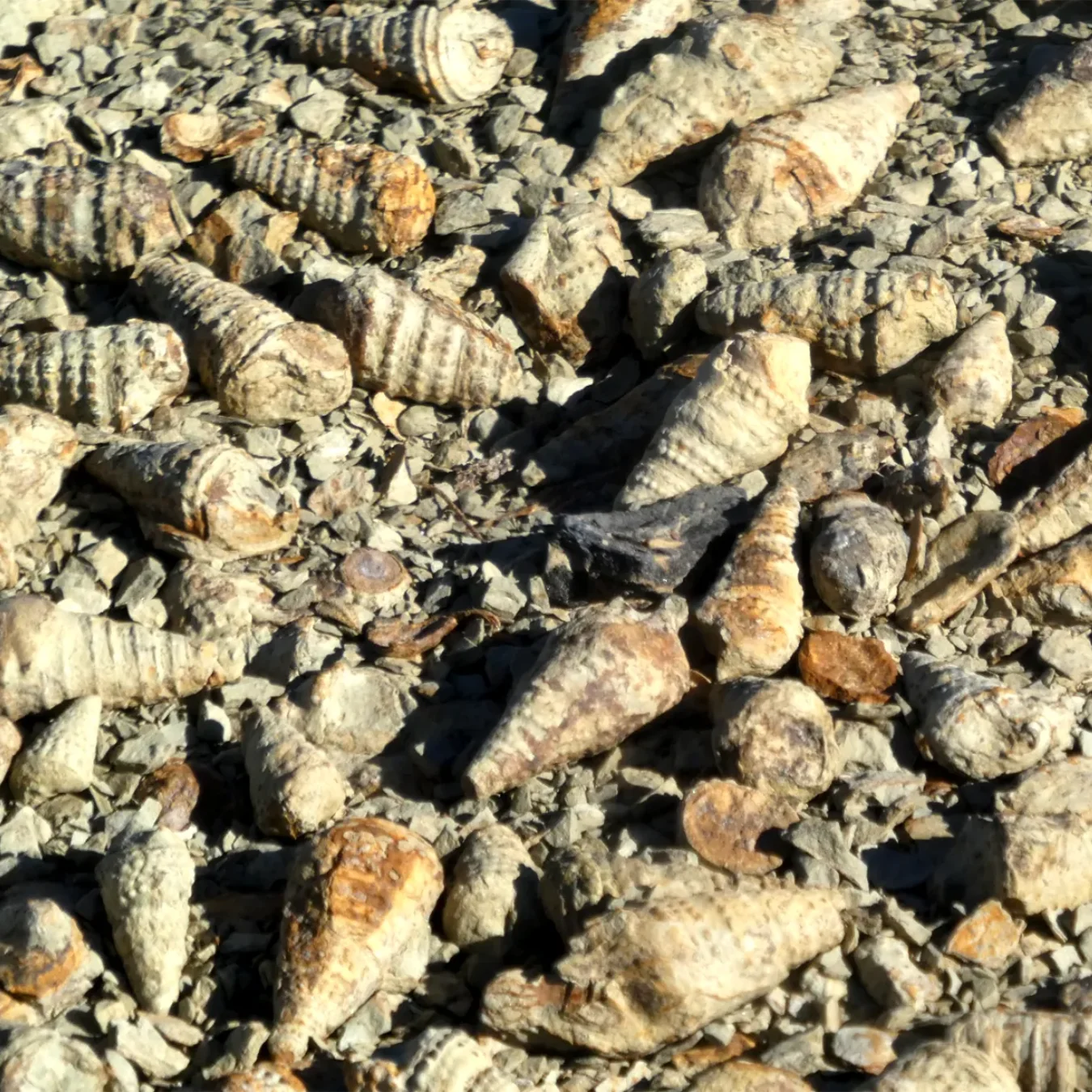
The following day brings a shift from living ecosystems to deep geological time. Nearby, in the community of San Juan Raya, the tour explores a landscape almost impossible to reconcile with what stands there today: millions of years ago, this arid terrain lay beneath a shallow tropical sea — the ancient Tethys Sea — complete with coral reefs and a rich variety of marine life including sponges, oysters, mollusks, and crustaceans. Today, the fossilized remains of that vanished ocean are scattered across the ground in the form of fossilized shells and marine creatures, offering a striking, walkable timeline of the region's transformation.
Even more remarkable, San Juan Raya has yielded genuine dinosaur footprints, dated to the Early Cretaceous period and formally studied by paleontologists from UNAM. These tracks — attributed primarily to sauropods and ornithopods — represent some of the most significant dinosaur fossil sites in Mexico, and their discovery played a key role in the scientific research that helped secure the region's UNESCO recognition. For travelers fascinated by paleontology tourism, prehistoric Mexico, or simply the strange thrill of standing where dinosaurs once walked, San Juan Raya is a genuinely rare destination.
Why Book This Desert and Fossil Tour
What sets this journey apart is the way it layers timescales on top of one another in a single, compact trip: a 4,000-year-old human tradition, a botanical sanctuary preserving some of the rarest cacti on Earth, and a geological record stretching back over a hundred million years to a vanished sea and the dinosaurs that once roamed its shores. It's an ideal choice for whom searching for UNESCO World Heritage tours in Mexico, desert ecotourism, fossil and dinosaur tours, or an off-the-beaten-path adventure near Oaxaca and Puebla.
This tour, available in Spanish, English, German, and French, into the Tehuacán-Cuicatlán Biosphere Reserve offers something increasingly hard to find: a landscape that is simultaneously a living cultural tradition, a botanical marvel, and an open-air museum of prehistoric life. Step into a desert that was once an ocean, sleep among cacti older than most human settlements, and come away with a genuinely different sense of how deep the history beneath our feet really runs.
Gallery